PET Sorting Machine
HDPE Sorting Machine
LDPE Sorting Machine
PVC Sorting Machine
PP Sorting Machine
PS Sorting Machine
ABS Sorting Machine
Mixed Plastic Sorting Machine
Colored Plastic Sorting Machine
Clear Plastic Sorting Machine
Black Plastic Sorting Machine
Plastic Flake Sorting Machine
Plastic Pellet Sorting Machine
Rigid Plastic Sorting Machine
Film Plastic Sorting Machine
What is Plastic Sorting
Plastic sorting is an advanced process that separates different types of plastics based on their material composition, color, or other physical properties. This technology plays a crucial role in recycling and waste management, ensuring that plastics are efficiently sorted for reuse or proper disposal. Modern plastic sorting solutions utilize high-tech sensors and machine learning algorithms to achieve high accuracy and speed.
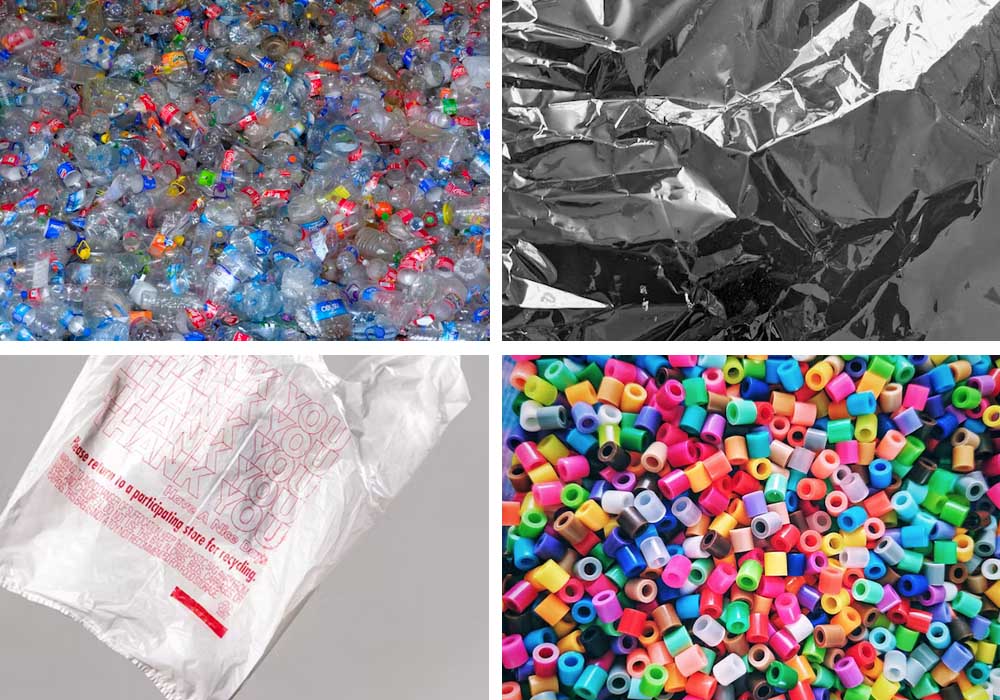
The importance of plastic sorting cannot be overstated, especially in today's environmentally conscious world. By sorting plastics effectively, we reduce landfill waste, conserve resources, and minimize pollution. Plastic sorting machines are designed to handle various forms of plastics, including flakes, pellets, rigid pieces, and flexible films, making them versatile tools in the recycling industry.
How Plastic Sorting Works
Material Feeding
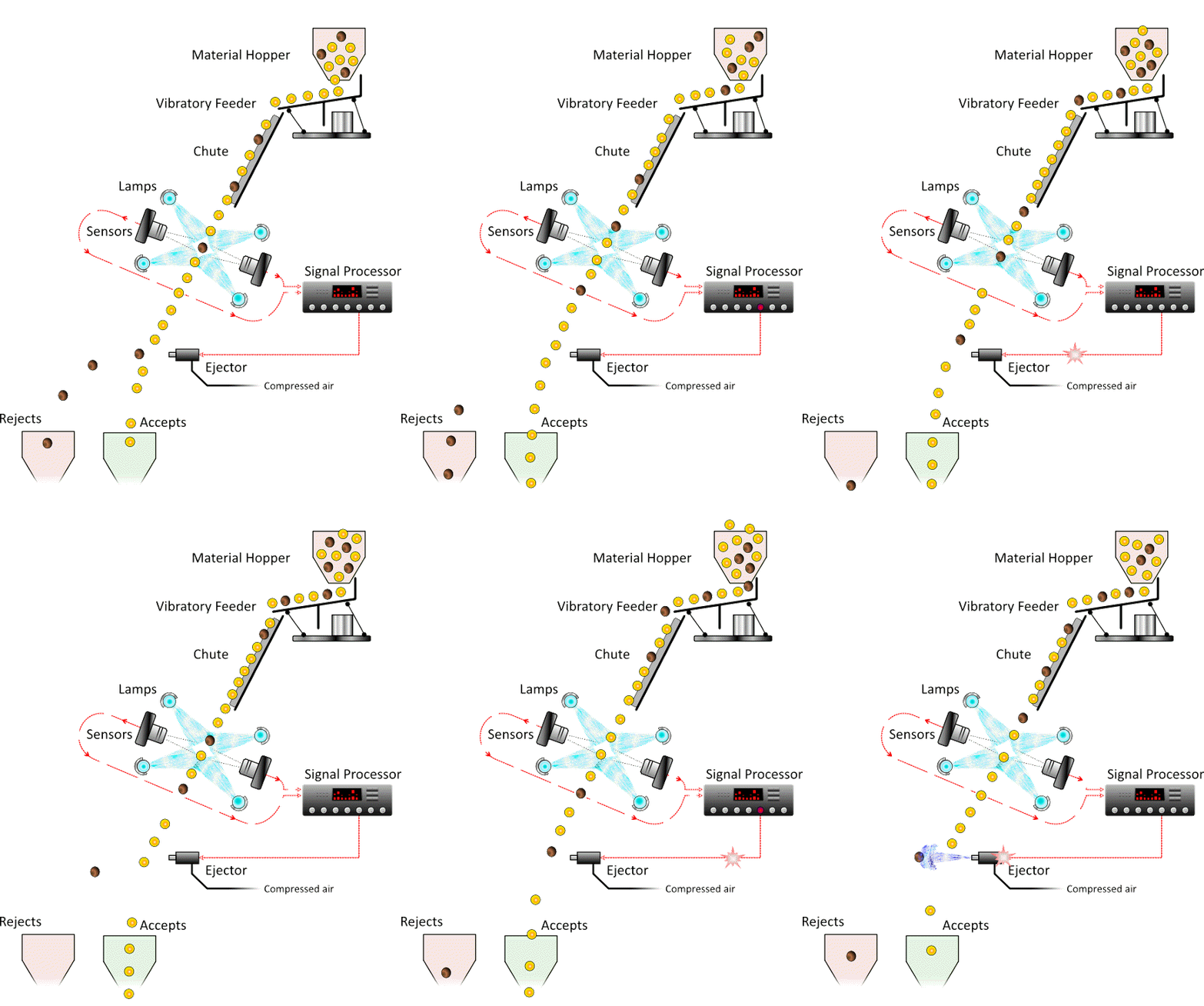
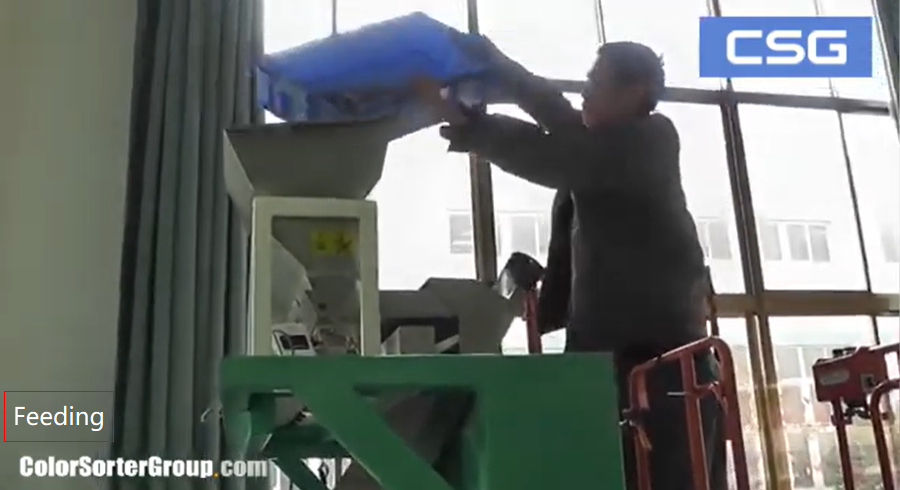
Mixed plastics enter through vibratory feeders and are spread into single-layer formation, ensuring optimal scanning conditions for accurate identification.
Advanced Detection
NIR spectroscopy and RGB sensors analyze plastic composition and color at high speed, identifying resin types and contaminants with precision.
Real-Time Analysis
Sophisticated software processes sensor data, making split-second decisions for sorting categories with machine learning algorithms improving accuracy continuously.
Precision Separation
High-speed air jets and mechanical diverters sort plastics into categories with 95-99% purity rates, maximizing recycling efficiency.
Plastic sorting machines operate by analyzing the unique physical and chemical characteristics of each plastic item. Advanced sensor arrays—including near-infrared (NIR) spectrometers, high-resolution RGB cameras, and optional mid-infrared (MIR) or laser sensors—simultaneously capture material composition, color, transparency, and even surface texture. NIR spectroscopy identifies polymer types (PET, HDPE, PP, PS, PVC, etc.) by detecting molecular absorption bands, while RGB cameras map color and shape with micron-level precision. This multi-sensor fusion enables the system to differentiate between materials that appear visually identical but have different chemical structures, such as PET and PVC bottles, or to sort black plastics that absorb visible light but reflect unique NIR signatures.
Once detected, the system’s AI-powered processing unit evaluates each object against customizable sorting criteria—polymer type, color grade, size, or contaminant presence—and makes real-time decisions at a rate of up to 10,000 objects per second. The sorting execution is carried out by a high-precision ejection system, typically an array of fast-switching pneumatic valves that fire compressed air jets with timing accuracy better than 0.01 milliseconds. Targeted jets divert the selected plastics into dedicated chutes or bins, while non-target materials continue on their natural trajectory. This entire process—from optical scanning to physical separation—occurs within a fraction of a second, ensuring consistent throughput of several tons per hour with purity levels often exceeding 98%.
The sorting process begins with controlled feeding: mixed plastics are evenly distributed via a vibrating feeder onto a fast-moving conveyor or a wide chute, where they are separated into a monolayer to prevent overlapping. A high-intensity illumination system (custom LED arrays optimized for visible and NIR ranges) ensures uniform lighting, eliminating shadows that could distort sensor readings. Real-time calibration algorithms automatically compensate for ambient light variations and sensor drift, guaranteeing stable performance even during extended continuous operation. By integrating deep learning models trained on millions of material samples, modern plastic sorters continuously improve their classification accuracy, adapting to new material types and contamination patterns without manual intervention.
How to Choose a Plastic Sorter
A Professional Selection Guide – Advice from a Leading Manufacturer
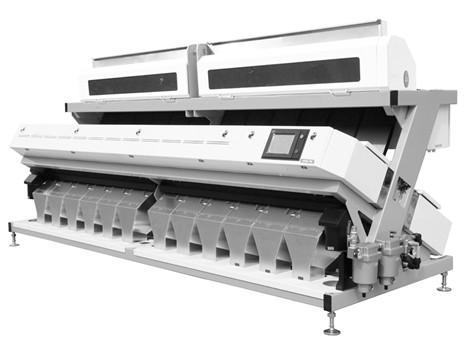
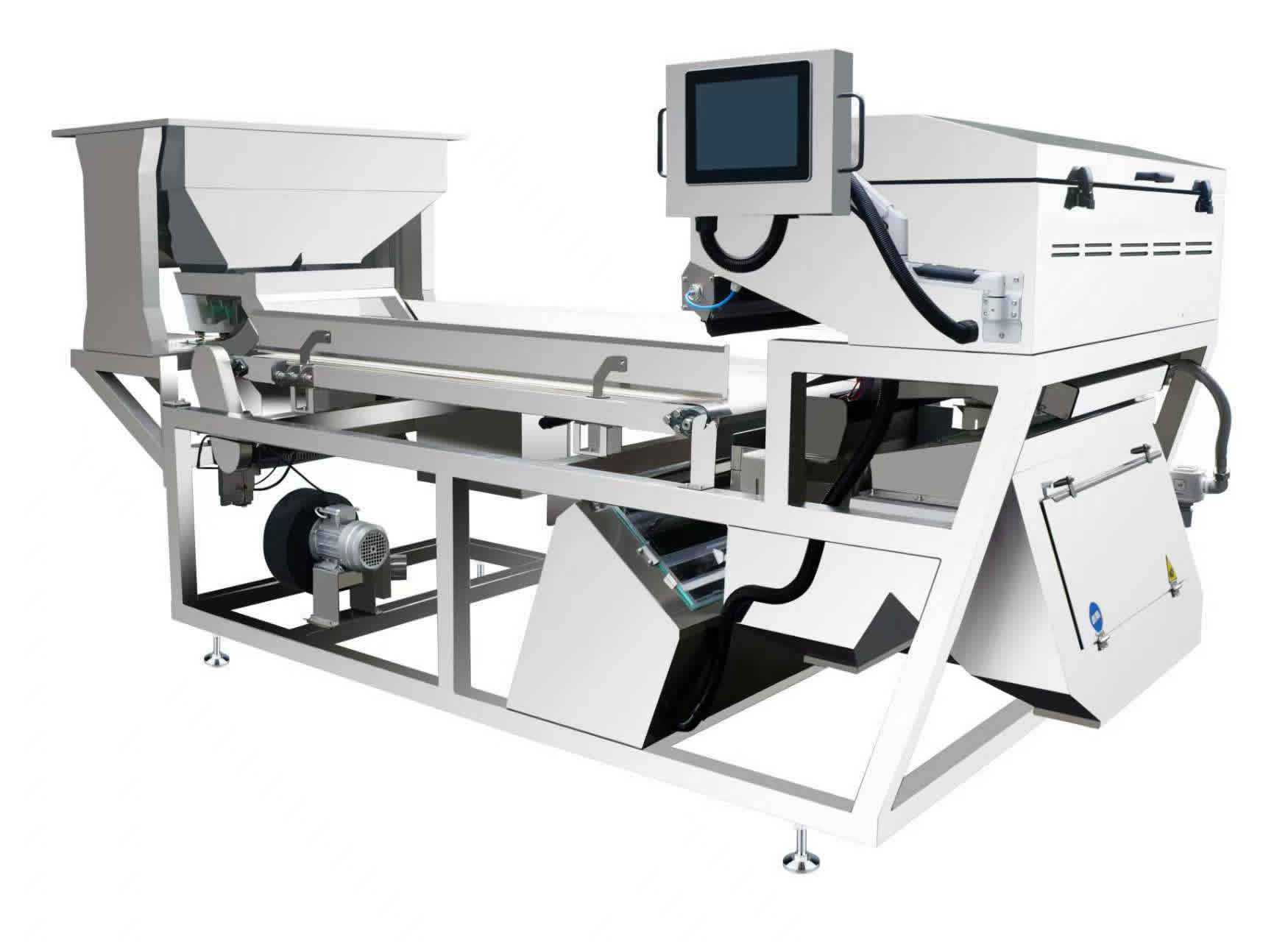
As a manufacturer of plastic sorting equipment, we know that the right match between machine type and your application directly impacts recycling efficiency and output purity. Whether you process lightweight films or high‑throughput rigid plastics, our Chute Type and Belt Type AI sorters are engineered for distinct material streams. Drawing on our global experience, this guide helps you systematically evaluate your needs—and select the solution that delivers real value.
1. Define Your Sorting Needs – We Help You Tailor the Solution
Material characteristics & sorting goals
Whether you process PET bottles, HDPE containers, PP packaging, mixed rigid plastics, or flexible films, our technical team starts by understanding your material shape (flakes, pellets, rigid pieces), sorting objectives (polymer separation, color sorting, contaminant removal), and target purity. This first step ensures precise alignment with the right equipment.
Capacity & process integration
Tell us your required throughput (tons/hour) and your existing recycling line layout. We will recommend the suitable model and provide flexible installation options—either as a standalone unit or seamlessly integrated into your current system to maintain continuous workflow.
Plastic Sorting Process – Visual Workflow
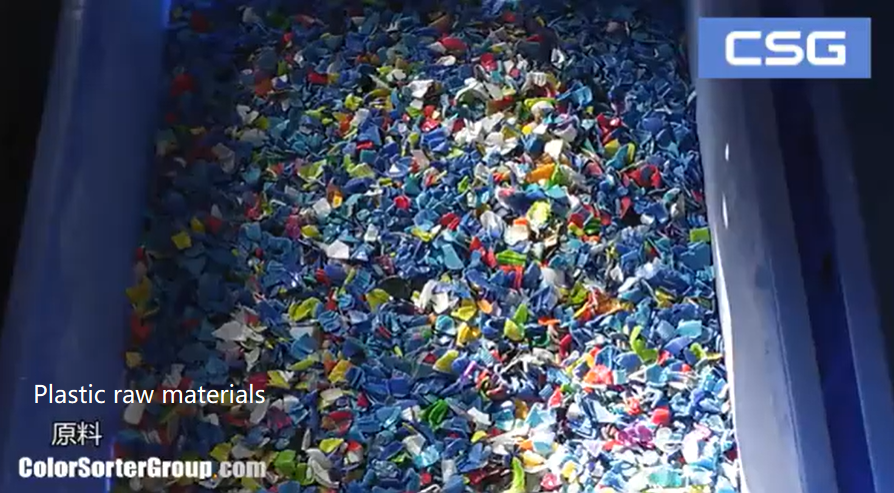
1. Raw Material Display
2. Feeding System
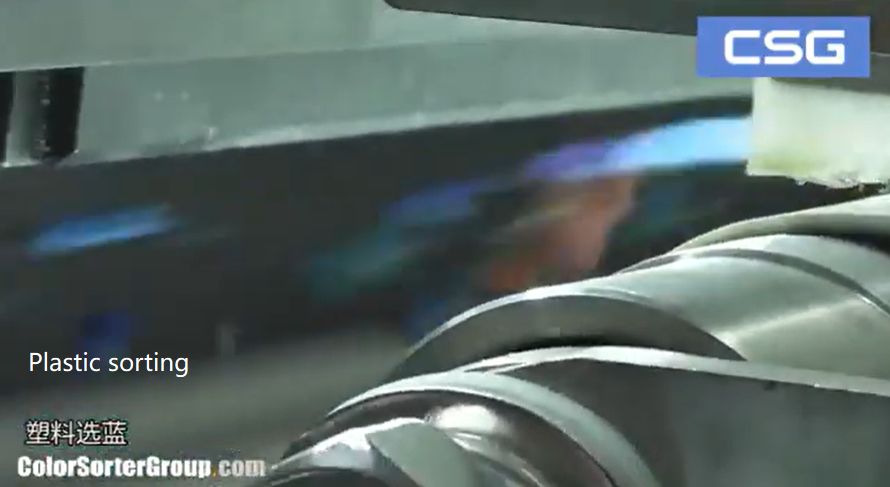
3. Sorting Process
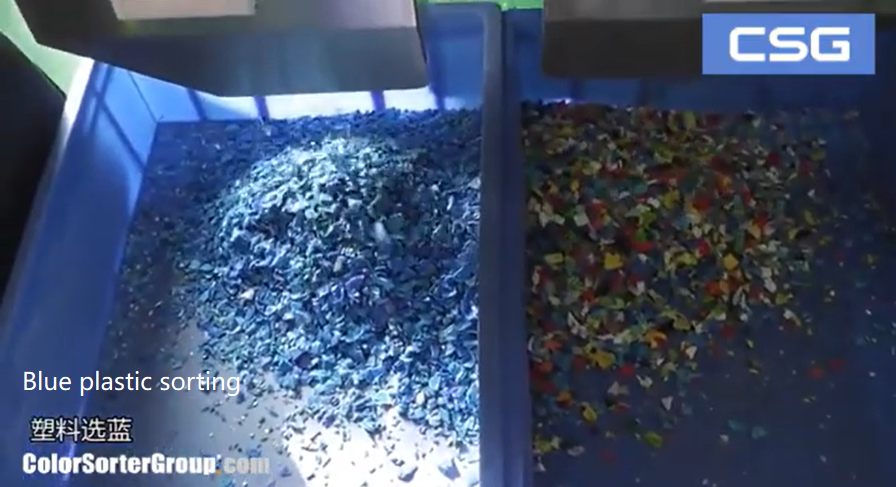
4. Blue Plastic Sorting Comparison
5. Red Plastic Sorting
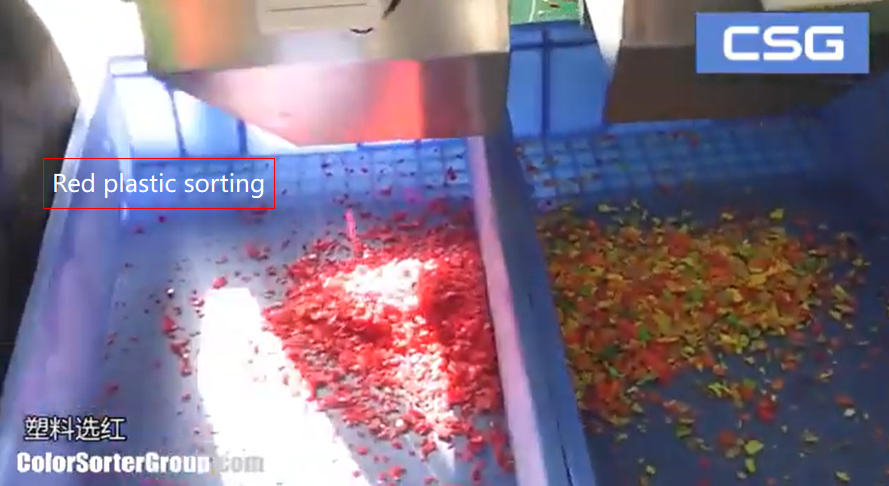
6. Yellow Plastic Sorting
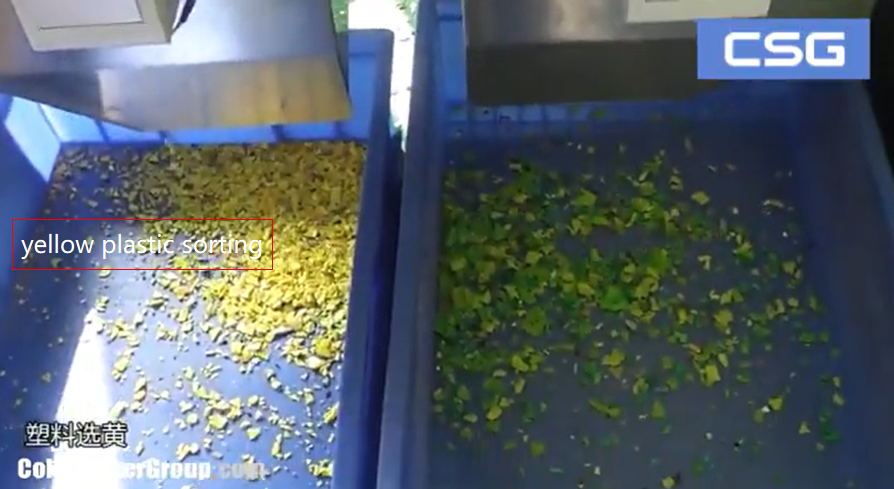
2. Core Technology: What Makes Our Sorters More Accurate
The heart of a plastic sorter lies in its sensors and algorithms. We integrate multiple advanced sensing technologies based on your application and enhance them with our self‑developed AI models to ensure consistent precision and stability. Below are the core technology options available in our sorters:
AI‑powered algorithms & continuous improvement
Our sorters incorporate deep‑learning models that learn material characteristics autonomously and refine sorting parameters over time. With an intuitive HMI, you can customize sorting rules and access real‑time data reports—making every operation transparent and under your control.
3. Reliability & Ease of Maintenance: Minimizing Downtime
Robust design built for demanding environments
Modular construction enables quick replacement of key components, reducing downtime. Dust‑proof and anti‑static designs are standard for plastic recycling environments. An automatic self‑cleaning system keeps optical windows and sensors clean, ensuring stable performance even during continuous long‑run operations.
Hassle‑free maintenance
Common spare parts are easy to source, and we provide both remote diagnostics and on‑site support to keep your line running with the lowest possible maintenance costs.
4. Calculate the ROI: Proven Value for Your Business
We focus not only on machine performance but also on the value it creates for you:
Reduce labor dependency – One sorter replaces multiple manual sorters, directly cutting labor costs.
Increase output value – Higher purity recyclables command premium prices; reduced contamination boosts downstream processing efficiency.
Fast payback – Use our ROI analysis tool to see how the equipment typically pays for itself within a short payback period.
5. Our Support & Services: More Than Just a Machine
Proven industry experience
We have delivered successful plastic sorting solutions for MRFs, plastic reclaimers, and packaging producers worldwide. Send us your material samples—we will conduct free tests and provide a detailed sorting performance report.
Full‑lifecycle service coverage
From installation and commissioning to operator training, after‑sales support, and software upgrades, our local service network ensures timely responses. Our machines comply with international safety standards, CE, and other certifications, giving you peace of mind.
6. Start Your Selection Journey – We Walk With You
Send samples for free testing – Provide your plastic mix, and we verify sorting results.
Visit a reference site or virtual demo – See our equipment in action at a customer facility or via live video.
Receive a customized proposal & ROI analysis – We deliver a detailed technical solution and a clear investment return projection.
Contract & worry‑free delivery – Clear performance specifications, acceptance criteria, full machine warranty, and long‑term technical support.
If you are planning to upgrade your plastic sorting process or have any questions about equipment selection, feel free to contact our technical consultants. We are ready to help you find the perfect match from a professional perspective.
Key Features and Advantages of Plastic Sorting
Technical Highlights
Multi-Sensor Fusion
NIR + RGB + AI for 99%+ polymer identification accuracy
Throughput
Up to 10–15 tons/hour depending on material and model
Purity Rate
Achieve 95–99% purity for sorted plastic fractions
High-Resolution Cameras
5.4K pixel RGB + InGaAs NIR sensors for micron-level detail
Precision Ejection
256+ nozzle air jet array with 0.01ms timing accuracy
Self-Learning AI
Continuous algorithm improvement via deep learning models
Color Sorting Accuracy
> 98% for colored plastics (blue, red, yellow, etc.)
Black Plastic Capability
Advanced MIR/NIR technology sorts previously challenging black plastics
Real-Time Analytics
Touchscreen dashboard with remote monitoring & production reports
Modular Design
Quick maintenance, easy component replacement, reduced downtime
Sustainability
Low energy consumption, maximizes circular economy value
User-Friendly Interface
Intuitive HMI with multi-language support and recipe management
Modern plastic sorting equipment offers remarkable precision, capable of distinguishing between closely related plastics like PET and PVC or different colors of the same material. High-speed processing allows these machines to sort thousands of pieces per hour, far outperforming manual sorting methods. Many systems now incorporate artificial intelligence to continuously improve their sorting accuracy through machine learning.
The environmental benefits of advanced plastic sorting are substantial. By increasing the purity of sorted materials, these machines enhance the quality of recycled products, creating a more sustainable circular economy. Businesses benefit from reduced waste disposal costs and potential revenue from selling properly sorted materials, while communities enjoy cleaner environments with less plastic pollution.
Technical Specifications of Plastic Sorting Machines
Plastic sorting systems vary in their technical specifications depending on their intended application. Typical machines process between 1-10 tons of material per hour, with higher-end models reaching up to 20 tons. Sorting accuracy generally exceeds 95% for most plastic types, with some specialized machines achieving near-perfect separation of specific materials like clear PET bottles.
These systems operate at various wavelength ranges for material identification, most commonly in the near-infrared spectrum (900-1700 nm). Modern sorters feature touchscreen interfaces for easy operation and remote monitoring capabilities. Energy consumption varies by size and throughput, with many models designed for energy efficiency to reduce operational costs.
Specification Comparison
The following provides a brief comparison between the PS-5 (Chute-Type Plastic Sorter) and the PS-B10 (Belt-Type High-Capacity Sorter) — two popular configurations for different recycling applications.
| Specification | PS-5 (Chute Type) | PS-B10 (Belt Type) |
|---|---|---|
| Power | 3.5 KW | 5.2 KW |
| Capacity (mixed plastics) | 2-6 T/H | 5-12 T/H |
| Camera / Sensor Configuration | 2 x RGB + 1 x NIR (InGaAs) | 4 x RGB + 2 x NIR + optional MIR |
| Sorting Accuracy | ≥ 97% | ≥ 99% |
| Dimensions (mm) | 2100 x 1650 x 2100 | 3200 x 1550 x 1900 |
| Weight | 980 kg | 1450 kg |
| Sorting Modes | Polymer type / Color / Shape / Transparency / Contaminant removal | |
| Ejection System | High-frequency solenoid valves + precision air nozzles (up to 256 channels) | |
| Light Source | High-brightness LED (customizable spectra for NIR enhancement) | |
| User Interface | 15.6" industrial touchscreen, remote diagnostics via Wi-Fi | |
Applications of Plastic Sorting
Plastic sorting technology serves numerous industries, from municipal recycling facilities to specialized plastic processing plants. In material recovery facilities (MRFs), these machines help separate valuable plastics from mixed waste streams. Plastic manufacturers use them to ensure material purity in production, while recycling centers rely on sorters to prepare materials for reprocessing.
The technology has particular importance in handling challenging materials like black plastics, which traditional optical sorters struggle with. Specialized machines can now identify and sort these previously problematic materials, significantly improving recycling rates. Other difficult-to-sort items like multi-layer packaging or small plastic flakes can also be effectively processed with advanced sorting equipment.
Purchasing Guide
When selecting a plastic sorting machine, consider your specific material stream and desired output quality. Assess the types and mixtures of plastics you need to process, as different machines specialize in various material combinations. Throughput requirements, available space, and budget are other critical factors that will influence your equipment choice.
Look for machines with flexible configurations that can adapt to changing material streams. Consider after-sales support and maintenance services, as these can significantly impact your long-term operational costs. Many manufacturers offer pilot testing opportunities, allowing you to evaluate a machine's performance with your actual materials before making a purchase decision.
Maintenance Guide
Regular maintenance is essential for optimal plastic sorter performance. Daily cleaning of optical sensors and inspection of mechanical components prevent accuracy degradation over time. Establish a maintenance schedule that includes lubrication of moving parts, checking air pressure systems, and verifying sensor calibration.
Keep spare parts for critical components on hand to minimize downtime during repairs. Train operators to recognize early signs of potential issues, such as decreasing sorting accuracy or unusual noises. Many modern machines include self-diagnostic features that alert operators to maintenance needs, helping prevent major breakdowns.