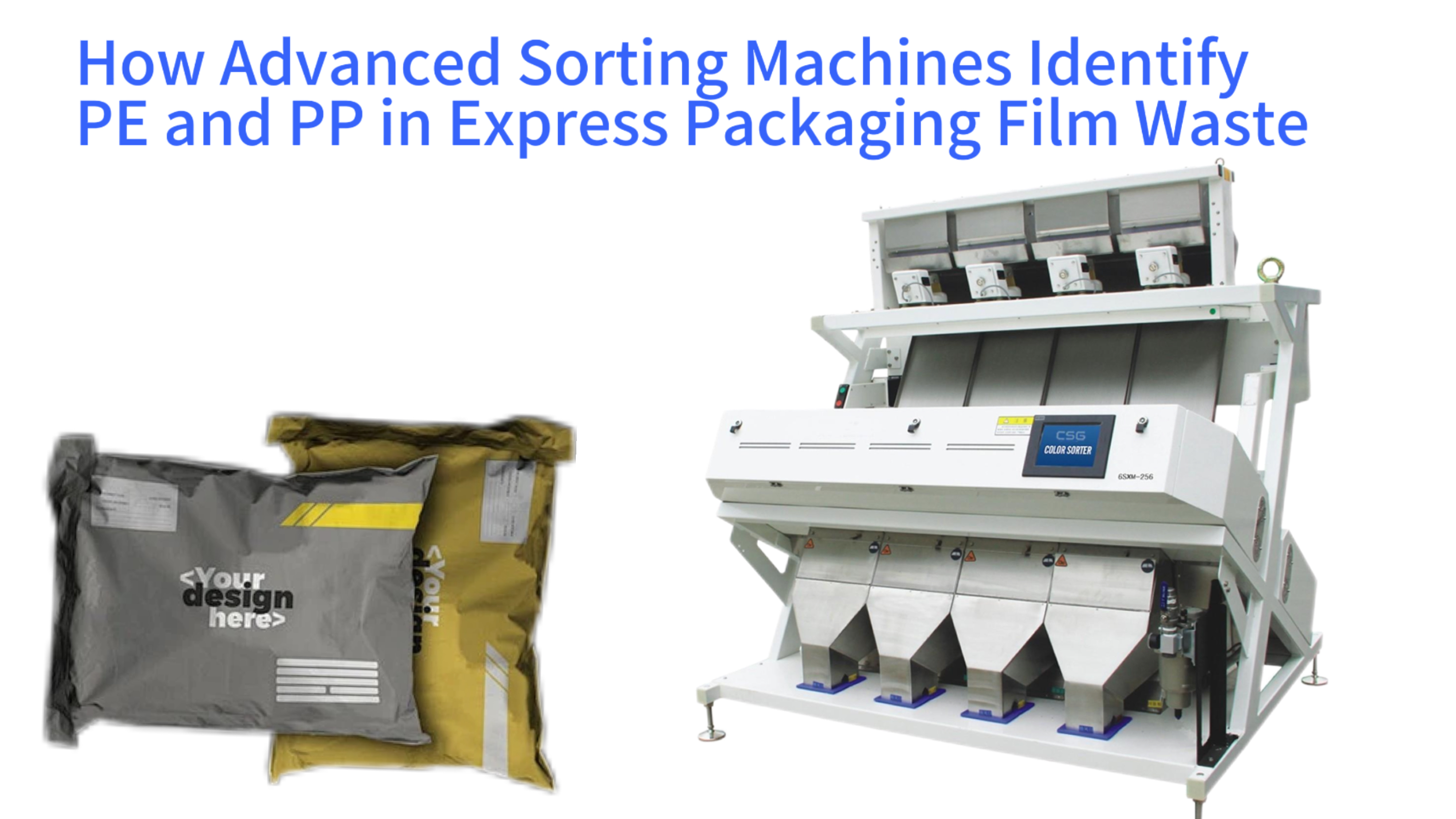
In the world of modern recycling, one of the most significant challenges involves separating different types of plastic films, particularly the polyethylene (PE) and polypropylene (PP) commonly found in express packaging bags. This comprehensive guide explores how sophisticated mixed film sorter machines accomplish this critical task, delving into the technologies that enable precise material identification, the sorting mechanisms that separate these visually similar plastics, and the environmental benefits of achieving high-purity material streams for effective recycling. We will examine the journey of mixed film waste from initial feeding through to final separation, explaining the scientific principles that allow machines to distinguish between these two chemically distinct polymers that appear nearly identical to the human eye.
Understanding this process is essential for appreciating how modern recycling facilities handle the massive volumes of flexible packaging generated by e-commerce and shipping industries. Mixed film sorter machines represent a crucial technological advancement in plastic recycling infrastructure, transforming what was once considered difficult-to-recycle material into valuable feedstock for new products. This article breaks down the complex technology into understandable components, revealing how sensors, software, and mechanical systems work in concert to solve a problem that manual sorting cannot address with any practical efficiency or accuracy.
The Fundamental Challenge of PE and PP Film Separation
Separating polyethylene from polypropylene in film applications presents a particularly difficult challenge for recycling systems due to several overlapping physical characteristics. Both materials are lightweight, flexible, and often manufactured in similar colors and thicknesses for packaging applications. Express packaging bags, shipping envelopes, and bubble wrap frequently combine these materials in single products or mix them together in waste streams, creating a sorting puzzle that requires sophisticated technology to solve efficiently. The economic and environmental necessity of separating these streams stems from their different chemical properties and recycling requirements.
When processed together, PE and PP create a lower-quality recycled material with compromised mechanical properties, limiting its applications and market value. Mixed film sorter machines address this challenge by employing multiple detection technologies that can identify the unique molecular signatures of each polymer type. The development of these systems represents a significant advancement in plastic recycling technology, enabling facilities to handle the complex mix of materials found in modern packaging waste streams. This capability transforms previously unrecyclable mixed film waste into valuable, separated material streams that can be processed into high-quality recycled pellets for manufacturing new products.
The Chemical Differences Between PE and PP Polymers
Although polyethylene and polypropylene appear similar in flexible film form, their molecular structures differ in ways that advanced sorting technology can detect. Polyethylene consists of long chains of ethylene monomers with a simple chemical structure that gives it particular flexibility and transparency characteristics. Polypropylene incorporates an additional methyl group in its molecular chain, creating a polymer with slightly higher temperature resistance and different crystalline properties. These chemical differences manifest in distinct optical and physical characteristics that specialized sensors can identify, even when the materials are presented as thin, crumpled films in mixed waste streams.
The molecular variance between these polymers affects how they interact with different wavelengths of light, particularly in the near-infrared spectrum where many modern sorting systems operate. This fundamental chemical distinction forms the basis for most automated sorting technologies designed to separate these materials. Advanced sensor systems can detect these subtle differences in milliseconds, allowing high-speed sorting lines to process thousands of film pieces per hour while maintaining accuracy rates typically exceeding 95 percent for targeted material separation.
Visual Similarities and Sorting Complications
To human observers and conventional optical systems, PE and PP films often appear virtually identical, especially when both are clear or similarly colored. This visual similarity creates significant challenges for recycling operations attempting to separate these materials manually or with basic equipment. Films may arrive at sorting facilities crumpled, folded, or stacked together, further complicating visual identification. Additionally, many express packaging items combine multiple materials, such as paper labels, adhesives, or ink printing, which can interfere with simple sorting methods based only on surface appearance.
Mixed film sorter machines overcome these limitations by employing sensors that look beyond surface appearance to analyze the fundamental material composition. This capability allows them to accurately identify materials regardless of color, print patterns, or surface contamination that might confuse visual inspection. The technology can distinguish between clear PE shipping envelopes and clear PP packaging films, between colored versions of each material, and even between multilayer films containing different polymer combinations. This represents a substantial advancement over earlier recycling methods that could not effectively separate these material streams.
Economic and Environmental Imperatives for Separation
The economic value of separated PE and PP film streams differs significantly, creating financial incentives for recycling operations to invest in advanced sorting technology. Pure polyethylene film commands different market prices and has distinct manufacturing applications compared to polypropylene film. When these materials remain mixed, the resulting recycled product has limited applications and substantially reduced market value, often making the recycling process economically unsustainable. Mixed film sorter machines address this challenge by creating high-purity output streams that can be sold as valuable commodities to manufacturers seeking specific polymer types for their production processes.
From an environmental perspective, separating these materials enables true closed-loop recycling where films can be transformed into similar or identical products. This circular approach reduces the need for virgin plastic production, conserving petroleum resources and decreasing the carbon footprint associated with plastic manufacturing. Effective separation through advanced sorting technology also improves the quality and performance of recycled plastic products, expanding their potential applications and increasing the overall recycling rate for flexible packaging materials that might otherwise end up in landfills or incinerators.
Core Detection Technologies in Modern Film Sorters
Core Detection Technologies Flow & Key Data
Near-Infrared (NIR) Spectroscopy
Workhorse technology for polymer identification
Visual Recognition & Surface Analysis
Complementary data for contamination detection
Sensor Fusion & Data Integration
High accuracy for complex waste streams
| NIR Spectroscopy Specifications | Details |
|---|---|
| Operating Wavelength Range | 900 - 1700 nanometers (nm) |
| Analysis Speed | Milliseconds per film piece (supports high-speed sorting lines) |
| Identification Accuracy | > 95% for well-presented, clean PE/PP films |
| Core Capability | Captures unique spectral fingerprint corresponding to polymer molecular structure |
Mixed film sorter machines employ several complementary detection technologies to accurately distinguish between polyethylene and polypropylene materials. The primary system used in most advanced facilities involves near-infrared (NIR) spectroscopy, which analyzes how materials absorb and reflect specific wavelengths of light to create a unique spectral fingerprint for each polymer type. This technology operates in the 900-1700 nanometer range, where different plastics exhibit distinct absorption patterns corresponding to their molecular structure and chemical bonds. Modern NIR sensors can capture and analyze these spectral signatures in milliseconds, enabling real-time material identification on high-speed sorting lines.
Supplementary detection systems often include high-resolution visual cameras that analyze color, surface patterns, and physical characteristics to enhance sorting decisions. Some advanced mixed film sorter machines also incorporate additional sensor types, such as laser-induced breakdown spectroscopy or mid-infrared sensors, to handle particularly challenging sorting scenarios or to verify material identification in complex waste streams. These multiple sensing technologies work together through sophisticated software algorithms that weigh different data points to reach highly accurate material classification decisions, even when films are dirty, printed, or layered with other materials.
Near-Infrared Spectroscopy for Material Identification
Near-infrared spectroscopy represents the workhorse technology for modern plastic film sorting, capable of distinguishing between polyethylene and polypropylene based on their molecular absorption characteristics. When NIR light interacts with plastic films, specific wavelengths are absorbed by the chemical bonds within the polymer while others are reflected back to sensors. Polyethylene and polypropylene create distinct absorption patterns due to differences in their carbon-hydrogen bonds and molecular structure. Advanced NIR sensors capture these spectral fingerprints and compare them against extensive material libraries to identify each piece with remarkable accuracy, typically achieving correct identification rates above 95 percent for well-presented materials.
The effectiveness of NIR technology depends on proper presentation of materials to the sensors, which is why feeding systems in mixed film sorter machines are designed to separate and flatten films as they pass through the detection zone. Modern systems also incorporate machine learning algorithms that continuously refine their material recognition capabilities based on sorting outcomes and operator feedback. This adaptive approach allows sorting systems to maintain high accuracy even as packaging formulations evolve and new material combinations enter the waste stream. For operations requiring the highest precision, specialized NIR sorting machines offer enhanced capabilities specifically optimized for challenging material separation tasks.
Visual Recognition and Surface Analysis Systems
Complementing spectroscopic analysis, advanced visual recognition systems provide additional data points for material identification and quality control. High-resolution cameras capture detailed images of each film piece, analyzing color, opacity, surface texture, printing patterns, and physical defects. Computer vision algorithms process this visual information to identify characteristics that might indicate material type or quality issues. For instance, certain surface textures or gloss levels might correlate with specific polymer formulations, while printing patterns could indicate particular product types that typically use one material over another.
These visual systems also play a crucial role in detecting and removing contaminants that spectroscopic sensors might not identify, such as paper labels, metal fragments, or non-plastic materials mixed with the film stream. By combining visual data with spectroscopic analysis, mixed film sorter machines achieve more robust material identification than either technology could provide independently. This multi-sensor approach is particularly valuable for handling the complex, variable nature of post-consumer film waste, where materials may be soiled, torn, or combined with other substances that could interfere with single-technology sorting systems.
Sensor Fusion and Data Integration Approaches
The most advanced mixed film sorter machines employ sensor fusion techniques that combine data from multiple detection systems to reach highly accurate material identification decisions. Rather than relying on a single technology, these integrated systems analyze spectral data from NIR sensors, visual information from high-resolution cameras, and sometimes additional data from complementary sensors. Sophisticated software algorithms weigh the different data streams according to their reliability for specific identification tasks, creating a composite material profile for each item passing through the detection zone.
This sensor fusion approach significantly enhances sorting accuracy, particularly for challenging materials or contaminated film streams. The system can compensate for limitations in individual sensor technologies – for instance, using visual data to identify heavily printed films that might confuse spectroscopic analysis alone, or using NIR data to distinguish between visually identical materials. Modern systems increasingly incorporate artificial intelligence and machine learning to optimize these sensor fusion algorithms over time, continuously improving sorting performance based on operational outcomes and feedback from downstream quality control processes.
The Material Handling and Presentation Process
Material Handling & Presentation Workflow
Feeding Systems for Lightweight Film Materials
Vibratory feeders/air classifiers separate tangled films into monolayer stream for optimal sensor analysis
Preliminary Screening & Preprocessing
Remove oversized items, moisture, and heavy contaminants; optional shredding/granulation for uniform sizing
Detection Zone Configuration & Optimization
Controlled lighting/environment; multi-angle sensor arrays for comprehensive material analysis
Preparation for Separation Phase
Precise item tracking & timing calibration; adjust ejection parameters based on material characteristics
Before detection and separation can occur, mixed film sorter machines must properly present materials to their sensor systems. This begins with specialized feeding mechanisms designed to handle the lightweight, flexible, and often tangled nature of plastic films. Advanced systems typically employ vibratory feeders, air classifiers, or mechanical spreading devices that separate individual film pieces and present them in a consistent orientation to optimize sensor analysis. This presentation phase is critical because poorly presented materials can significantly reduce sorting accuracy, as sensors may struggle to analyze crumpled or overlapping films effectively.
Modern systems often incorporate preliminary screening to remove oversized items, excessive moisture, or heavy contaminants before films enter the main sorting channel. Some facilities utilize specialized preprocessing equipment specifically designed for film materials, including shredders or granulators that convert large film pieces into more uniformly sized flakes before sorting. This preprocessing can enhance sorting accuracy by creating more consistent material presentation, though it requires additional processing steps and equipment investment. For facilities handling intact packaging, sophisticated smart material feeding systems optimize the presentation of whole film items to maximize sorting efficiency and accuracy.
Feeding Systems for Lightweight Film Materials
Specialized feeding systems represent a crucial component in mixed film sorter machines, designed to address the unique challenges presented by lightweight, flexible plastic films. Unlike rigid plastics or heavier materials, films tend to cling together, float on air currents, and resist consistent orientation in material handling systems. Advanced feeding solutions employ precisely calibrated vibration, air flow, and mechanical guidance to gently separate film pieces and deliver them to the detection zone in an optimal presentation. This typically involves creating a monolayer stream where films are sufficiently separated and oriented to allow clear sensor analysis of each individual piece.
These feeding systems must balance gentle handling to prevent material damage with sufficient throughput to maintain economic viability. Modern designs often incorporate multiple stages of material conditioning, beginning with coarse separation to break up large clumps followed by fine adjustment to create the ideal presentation for sensor analysis. Some systems include optical monitoring of the material stream ahead of the main detection zone, allowing real-time adjustment of feeding parameters to maintain optimal presentation regardless of variations in input material characteristics. This attention to feeding precision directly impacts the overall sorting accuracy and efficiency of the entire system.
Detection Zone Configuration and Optimization
The detection zone in a mixed film sorter machine represents the critical point where material identification occurs, requiring precise engineering to ensure accurate sensor performance. This area typically includes controlled lighting conditions to provide consistent illumination for both spectroscopic and visual analysis. Specialized lighting systems minimize shadows, reduce glare from shiny film surfaces, and create uniform background conditions against which sensors can clearly analyze each material piece. Environmental controls may manage dust, humidity, or temperature variations that could interfere with sensor accuracy.
Within this carefully controlled environment, multiple sensor arrays capture comprehensive data about each film piece as it passes through the detection zone. The physical configuration ensures that sensors have clear, unobstructed views of materials from multiple angles, allowing comprehensive analysis of both front and back surfaces when necessary. Advanced systems may incorporate moving sensors or multiple detection stations to gather additional data points for challenging sorting decisions. The precise engineering of this detection environment enables the sophisticated sensor technologies to perform at their maximum capability, which is essential for achieving the high accuracy rates required for economically viable film separation.
Preparation for the Separation Phase
Following material identification, mixed film sorter machines prepare for the physical separation of polyethylene from polypropylene streams. This preparation involves precisely timing the ejection signal to correspond with each identified material piece's arrival at the separation mechanism. Sophisticated tracking algorithms monitor the position and speed of each item as it moves from the detection zone to the separation point, accounting for variations in material trajectory, air currents, and conveyor dynamics. This precise tracking ensures that ejection commands activate at exactly the right moment to target specific material pieces for removal from the main stream.
The preparation phase also involves configuring separation parameters based on the specific characteristics of the material stream and desired output purity. Systems may adjust ejection force, timing, or targeting based on film size, weight, or orientation to optimize separation efficiency. Modern machines often include self-learning capabilities that automatically refine these parameters based on ongoing performance monitoring, gradually improving separation accuracy over time without requiring manual adjustment. This intelligent preparation represents a significant advancement over earlier sorting systems that required extensive manual calibration and constant operator intervention to maintain optimal performance.
Separation Mechanisms and Ejection Technologies
Once mixed film sorter machines have identified polyethylene and polypropylene materials, precise separation mechanisms physically divert the different polymer streams to their respective collection points. The most common separation technology involves precisely timed bursts of compressed air that knock targeted material pieces off the main conveyor and into separate collection chutes. These air ejection systems must respond with millisecond precision to accurately target individual film pieces as they pass through the separation zone, requiring sophisticated valve technology and precise pressure control to handle the lightweight nature of film materials without excessive force that could scatter adjacent items.
Advanced systems utilize an array of independently controlled nozzles or valves that can target specific locations across the width of the material stream, allowing selective removal of individual film pieces regardless of their position on the conveyor. The timing and duration of each air pulse are carefully calibrated based on the size, weight, and trajectory of the targeted material to ensure clean separation without interfering with adjacent items. For facilities processing particularly challenging film mixtures or requiring exceptionally high purity outputs, specialized high-speed ejection systems offer enhanced precision and speed capabilities specifically optimized for lightweight material separation.
Air Ejection System Design and Operation
Air ejection systems in mixed film sorter machines represent engineering marvels of precision and speed, capable of selectively removing individual film pieces from high-speed material streams. These systems typically consist of a compressed air supply, precision valves that can open and close in milliseconds, and an array of nozzles positioned above or beside the conveyor at the separation point. When the control system identifies a target film piece for separation, it activates the specific valves corresponding to that item's position on the conveyor, firing a brief, precisely directed burst of air that deflects the material into the appropriate collection chute.
The effectiveness of these systems depends on numerous factors including air pressure, valve response time, nozzle design, and timing accuracy. Modern systems often employ piezoelectric valves that offer exceptionally fast response times and precise control over air pulse duration and intensity. Advanced designs may incorporate multiple nozzle arrays or adjustable ejection angles to handle materials with different flight characteristics or to optimize separation for specific film types. Regular maintenance and calibration of these ejection systems are essential for maintaining sorting accuracy, as even minor variations in valve performance or air pressure can significantly impact separation efficiency and output purity.
Collection and Material Handling After Separation
Following ejection from the main material stream, separated polyethylene and polypropylene films must be properly collected and channeled to their respective processing streams. Collection systems typically include strategically positioned chutes or conveyors that capture ejected materials and transport them to collection bins or subsequent processing equipment. These collection mechanisms must account for the lightweight and sometimes unpredictable trajectory of ejected films, which can be influenced by air currents, electrostatic charges, or irregular shapes. Well-designed collection systems minimize material loss, contamination between streams, and potential blockages that could interrupt sorting operations.
Advanced mixed film sorter machines often incorporate multiple collection stages to enhance output purity, with initial separation creating broadly sorted streams that may undergo secondary sorting for further refinement. This multi-stage approach allows systems to achieve exceptionally high purity levels exceeding 98 percent for both PE and PP output streams. After collection, materials are typically baled, shredded, or otherwise prepared for subsequent processing steps including washing, extrusion, and pelletizing to create recycled plastic feedstock. The efficiency of these post-separation handling processes directly impacts the overall economics of film recycling operations, making them an integral consideration in system design and operation.
Quality Control and System Monitoring
Modern mixed film sorter machines incorporate comprehensive quality control and monitoring systems to ensure consistent performance and output quality. These systems typically include sensors that monitor output stream purity, ejection accuracy, and overall system efficiency in real time. Advanced monitoring may involve sampling outputs for laboratory analysis, in-line sensors that continuously assess material composition, or visual inspection systems that verify separation accuracy. This constant feedback allows operators to identify and address performance issues before they significantly impact output quality or system efficiency.
Many contemporary systems include automated adjustment capabilities that respond to performance data by fine-tuning sorting parameters such as detection sensitivity, ejection timing, or material handling settings. This self-optimization reduces the need for manual intervention while maintaining consistent output quality despite variations in input material characteristics. Comprehensive data logging and reporting features provide operators with detailed performance metrics, maintenance schedules, and quality documentation that supports process optimization and quality assurance protocols. For facilities handling diverse material streams, these monitoring capabilities are essential for maintaining the flexibility and responsiveness needed to process varying film mixtures effectively.
Operational Considerations and System Optimization
Key Operational Metrics
> 95% Identification Accuracy for All System Levels | Self-optimization reduces manual intervention by 80%
Operating mixed film sorter machines effectively requires careful attention to numerous factors that influence system performance and economic viability. Throughput rates must balance with sorting accuracy to maximize both processing volume and output value. Most modern systems can process between 1,000 and 5,000 kilograms of film per hour, with higher-end models achieving even greater throughput while maintaining accuracy rates above 95 percent for targeted material separation. Optimal operation requires proper system calibration for specific material streams, regular maintenance to ensure consistent sensor and mechanical performance, and ongoing adjustment to accommodate variations in input material characteristics.
System optimization involves numerous interrelated considerations including energy consumption, compressed air usage, maintenance requirements, and operational labor. Advanced systems increasingly incorporate energy-saving features such as variable-speed drives, efficient compressed air generation, and smart standby modes that reduce power consumption during periods of low material flow. Operational software provides detailed analytics on system performance, material recovery rates, and operational efficiency, enabling data-driven decisions about process optimization and equipment utilization. For facilities considering implementation, specialized plastic sorting solutions providers offer expertise in system selection, configuration, and optimization tailored to specific operational requirements and material streams.
Maintenance Requirements for Optimal Performance
Regular maintenance represents a critical aspect of operating mixed film sorter machines at peak efficiency and accuracy. Maintenance protocols typically include daily cleaning of optical sensors and inspection surfaces to prevent dust or film residue from interfering with detection accuracy. Weekly tasks might involve checking and calibrating ejection systems, verifying sensor alignment, and inspecting mechanical components for wear or damage. More comprehensive monthly or quarterly maintenance includes detailed sensor calibration, replacement of worn components, and thorough system testing to ensure all subsystems are functioning optimally.
Preventive maintenance schedules help avoid unexpected downtime and maintain consistent sorting performance. Key components requiring regular attention include air filters for compressed air systems, lighting elements for detection zones, conveyor belts and tracking systems, and ejection valves that experience frequent actuation. Modern systems often include built-in diagnostic tools that alert operators to maintenance needs or performance degradation before they impact sorting results. Establishing a comprehensive maintenance program with proper documentation, spare parts inventory, and trained personnel significantly extends equipment lifespan and maintains the consistent performance necessary for profitable film sorting operations.
Adapting to Varied Input Stream Characteristics
The effectiveness of mixed film sorter machines depends significantly on their ability to adapt to variations in input material characteristics. Real-world film waste streams exhibit considerable diversity in terms of material composition, contamination levels, physical condition, and presentation. Advanced systems incorporate flexible configuration options that allow operators to adjust sorting parameters for different material mixtures or quality requirements. This adaptability might involve selecting different material identification profiles, adjusting ejection sensitivity for specific film types, or modifying material handling parameters to optimize presentation for particular input characteristics.
Modern software interfaces facilitate these adjustments through intuitive controls that allow operators to switch between predefined sorting programs or create custom configurations for specific material streams. Some systems incorporate machine learning capabilities that automatically adapt to changing input characteristics based on performance feedback, gradually optimizing sorting parameters without requiring manual intervention. This adaptability is particularly valuable for facilities processing film waste from multiple sources or dealing with seasonal variations in material composition. The ability to efficiently handle diverse input streams significantly enhances the economic viability and operational flexibility of film sorting operations in dynamic recycling markets.
Environmental Impact and Circular Economy Contributions
Mixed film sorter machines play a crucial role in advancing circular economy principles for plastic packaging by enabling high-quality recycling of materials that were previously difficult or impossible to separate effectively. By creating clean streams of polyethylene and polypropylene from mixed film waste, these systems provide manufacturers with recycled feedstock that can replace virgin plastic in numerous applications. This substitution reduces demand for petroleum-based raw materials, decreases energy consumption associated with plastic production, and minimizes greenhouse gas emissions throughout the product lifecycle. Industry studies suggest that using recycled plastic film can reduce energy consumption by 70-90 percent compared to virgin material production, representing a substantial environmental benefit.
The environmental impact extends beyond resource conservation to address pressing waste management challenges, particularly the accumulation of plastic film in landfills and natural environments. By creating economic value from film waste that might otherwise be discarded, sorting technology incentivizes collection and processing of materials that frequently escape traditional recycling systems due to their lightweight nature and contamination challenges. This creates positive feedback loops where improved sorting capability supports expanded collection infrastructure, which in turn supplies more material to recycling systems, gradually increasing overall recycling rates for flexible packaging materials. For communities addressing waste sorting challenges, these technologies provide practical solutions for managing difficult-to-recycle material streams.
Advancing Packaging Sustainability Goals
The capabilities of modern mixed film sorter machines directly support packaging sustainability initiatives by enabling higher incorporation rates of recycled content in new packaging products. Many consumer goods companies and retailers have established ambitious targets for using post-consumer recycled materials in their packaging, particularly for ubiquitous items like shipping envelopes, mailers, and protective packaging. Effective separation of PE and PP films creates the high-quality recycled feedstock necessary to meet these targets while maintaining packaging performance and safety standards. This creates market demand that supports the entire recycling value chain, from collection through processing to manufacturing.
Beyond direct material recovery, advanced sorting technology facilitates packaging design for recyclability by demonstrating that complex material combinations can be effectively separated at end-of-life. This knowledge encourages packaging engineers to design products with recycling compatibility in mind, potentially simplifying material combinations or incorporating markers that enhance sortability. The interaction between sorting technology and packaging design represents a powerful synergy that accelerates progress toward truly circular packaging systems where materials maintain their value through multiple use cycles rather than following linear disposal pathways after single use.
Supporting Regulatory Compliance and Extended Producer Responsibility
Mixed film sorter machines provide essential infrastructure for compliance with evolving regulations governing plastic packaging and waste management. Many jurisdictions are implementing extended producer responsibility (EPR) schemes that require packaging producers to fund and facilitate recycling of their products. These regulations often include specific material recovery rate targets that can only be achieved through advanced sorting technology capable of handling complex material mixtures. By enabling high-purity separation of film polymers, sorting systems help meet regulatory requirements while creating valuable material streams that offset recycling program costs.
Advanced sorting capabilities also support compliance with recycled content mandates that require minimum percentages of post-consumer material in certain products. As these regulations expand to include more product categories and higher percentage requirements, the ability to produce clean, separated polymer streams from mixed film waste becomes increasingly valuable. Facilities equipped with modern sorting technology position themselves strategically within evolving regulatory landscapes, potentially qualifying for incentives or avoiding penalties associated with material recovery performance. This regulatory dimension adds another layer of economic justification for investment in advanced sorting systems beyond straightforward material value considerations.
Future Developments in Film Sorting Technology
The evolution of mixed film sorter machines continues at a rapid pace, driven by advances in sensor technology, artificial intelligence, and material science. Future systems will likely incorporate even more sophisticated detection capabilities, potentially including hyperspectral imaging, terahertz spectroscopy, or advanced chemical sensing that can identify additives, contaminants, or degradation levels in film materials. These enhanced detection methods will improve sorting accuracy for challenging materials and enable more nuanced material classification that considers factors beyond basic polymer type. Integration of AI sorting technology will further enhance system adaptability and decision-making capabilities, potentially allowing real-time optimization of sorting parameters based on continuous analysis of input and output stream characteristics.
Material handling components will also see significant advancement, with improved feeding systems that can better separate and present tangled or stacked films, and more precise ejection mechanisms capable of handling increasingly lightweight or irregular materials. Energy efficiency will continue to improve through optimized component design, intelligent power management, and recovery systems that capture and reuse energy from mechanical operations. These developments will reduce operational costs while enhancing environmental performance, creating more economically viable solutions for film recycling across different scales and market conditions.
Integration with Digital Recycling Platforms
The future of mixed film sorter machines includes deeper integration with digital platforms that connect material generators, processors, and end markets. Advanced systems will incorporate connectivity features that provide real-time data on material flows, quality metrics, and operational performance to centralized platforms. This digital integration will enable more efficient matching of material supply with demand, optimized routing of materials through processing networks, and enhanced traceability throughout the recycling value chain. Digital product passports or material identification markers may work in concert with sorting technology to provide detailed information about product composition, origin, and previous life cycles.
These digital capabilities will support the development of more sophisticated recycling ecosystems where material value is maximized through precise matching of recycled feedstock characteristics with manufacturer requirements. Sorting systems may automatically adjust their operations based on real-time market signals about material demand or pricing, optimizing output streams for current market conditions. This responsive approach will enhance the economic resilience of recycling operations while ensuring that materials are directed toward their highest-value applications, supporting true circularity rather than downcycling of valuable polymer resources.
Expanding Applications and Material Scope
Future mixed film sorter machines will expand their capabilities beyond basic separation of polyethylene and polypropylene to address increasingly complex material mixtures and emerging packaging formats. This may include differentiation between different polyethylene subtypes (LDPE, LLDPE, HDPE) in film form, identification of biodegradable or compostable films within conventional plastic streams, or separation of multilayer films into their constituent components. As packaging innovation continues to introduce new materials and combinations, sorting technology must evolve correspondingly to maintain recycling system effectiveness and prevent contamination of material streams.
Advanced systems may incorporate adaptable detection libraries that can be updated remotely as new materials enter the waste stream, ensuring continued relevance in dynamic packaging landscapes. Collaboration between packaging manufacturers, recycling technology developers, and research institutions will drive this evolution, creating testing protocols and material identification standards that support sorting system development. This proactive approach to technology advancement will help ensure that recycling infrastructure keeps pace with packaging innovation, preventing the creation of material streams that cannot be effectively processed through existing systems. For operations facing particularly complex separation challenges, specialized optical sorting machines offer focused capabilities for difficult material discrimination tasks.