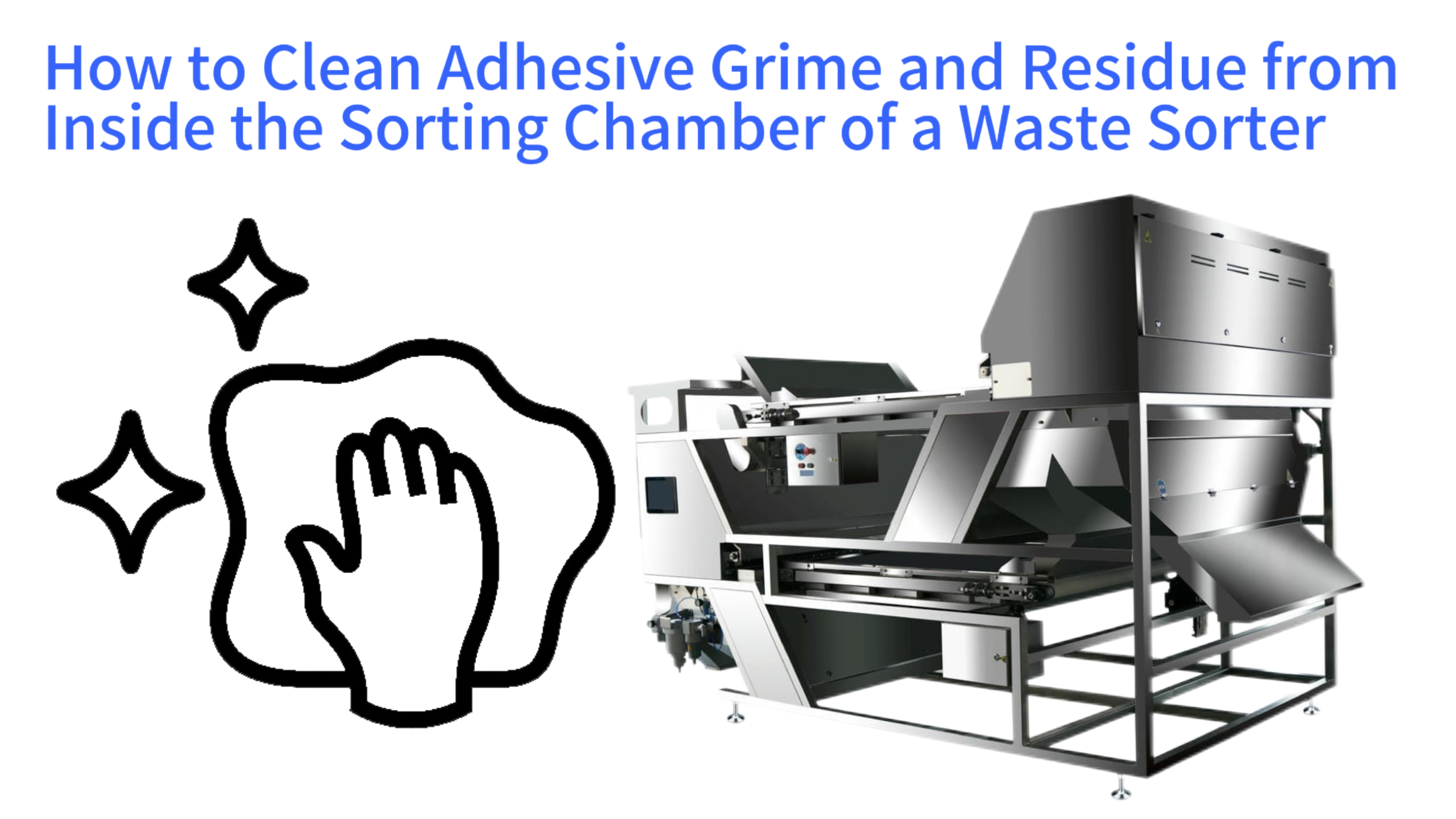
Comprehensive Sorting Chamber Cleaning Workflow
Maintaining peak operational efficiency in a waste sorting facility depends heavily on the consistent performance of its core machinery. The sorting chamber, where materials are identified and separated, is particularly vulnerable to the accumulation of adhesive grime and stubborn residues. This buildup, often a mixture of organic matter, plastics, dust, and moisture, directly interferes with the precision of optical sensors, near-infrared detectors, and mechanical ejection systems. A decline in sorting accuracy of even a few percentage points can translate to significant financial losses due to material misplacement and reduced product purity. This guide provides a systematic, safety-first approach to thoroughly cleaning the sorting chamber. It will cover the initial hazard assessment and machine isolation, the selection of appropriate cleaning agents for different contaminant types, a detailed step-by-step cleaning procedure, and the implementation of a preventive maintenance schedule to minimize future downtime and preserve the capital investment in this critical equipment.
Understanding the Contaminant: Composition and Impact on Sorting
Contaminant Types and Their Operational Impact
Food waste, plant matter, biofilm
Acidic corrosion risk
Reduced sensor contrast (10-15%)
Labels, tapes, plastic films
Light diffusion on optics
Identification errors (15-20%)
Soil, glass dust, cement
Surface scratching damage
Mechanical wear (25% increase)
The grime inside a waste sorting chamber is not a simple substance but a complex matrix of materials deposited over time. Its primary components typically include organic residues from food waste, biodegradable materials, and garden refuse. These substances are often rich in sugars, fats, and proteins that create a sticky, viscous base layer. Synthetic adhesives from labels, tapes, and composite packaging materials contribute a polymer-based stickiness that is particularly challenging to dissolve. Inorganic components such as fine soil particulates, glass dust, and metallic powders mix with these organic binders, creating an abrasive composite that can scratch optical surfaces. Moisture from processed waste, whether ambient humidity or liquid from discarded items, acts as a catalyst, helping these disparate elements fuse to metal, glass, and polymer surfaces within the chamber.
This accumulated contamination has a direct and measurable impact on the machine's function. For optical and color sorters, a film on camera lenses or protective windows scatters light, reducing the contrast and clarity of images. This leads to the system's software misinterpreting the color or shape of passing materials. Near-infrared sensors, which identify materials based on their molecular absorption signatures, can be fooled by a layer of foreign matter on a waste item, causing valuable material to be ejected or contaminants to be accepted. Residue on the background plates against which items are scanned creates a non-uniform reference point, further confusing the detection algorithms. Mechanical components are also affected; buildup on air ejection nozzles can alter the precision and force of the air blast, while debris on chutes and guides causes material flow disruption and increased wear.
Organic Residues and Food Waste Byproducts
Organic matter is a primary culprit in chamber fouling, especially in facilities processing municipal solid waste. Decomposing fruits, vegetables, and leftover food create a biofilm that is initially wet but can harden into a tenacious, cement-like layer over time. These residues are often acidic, which can promote corrosion on unprotected metal surfaces within the chamber. The decomposition process itself can release gases that deposit thin films on all surfaces, including sensitive electronics housed nearby. Regular processing of green waste or compostable materials introduces plant saps and fibrous particulates that bind dust and other materials together, creating a felt-like mat that is difficult to dislodge.
Synthetic Adhesives, Labels, and Plastic Films
Modern packaging relies heavily on pressure-sensitive adhesives found on labels and tapes. When these items are torn or shredded during waste processing, the adhesive layer can transfer to chamber walls, rollers, and sensor housings. These synthetic polymers are designed to be durable and water-resistant, making them insoluble in plain water and resistant to mild detergents. Thin plastic films, like shopping bags or food wrappers, can electrostatically cling to surfaces and then fuse under slight pressure and heat generated by machine operation. Over time, these layers build up, creating a translucent coating that diffuses light and insulates surfaces from effective cleaning.
Dust, Soil, and Inorganic Particulate Mixtures
Fine inorganic dust is ubiquitous in waste streams, originating from broken glass, ceramics, soil contamination, and construction debris. This dust readily combines with any moisture or sticky organic substance present, forming a gritty paste. This abrasive mixture is particularly damaging as it can scratch the polished surfaces of optical lenses and the acrylic covers of LED light banks during the cleaning process if not handled correctly. In facilities sorting construction and demolition waste, the dust load is exceptionally high and often contains gypsum or cement particles that can set hard when mixed with moisture, physically obstructing moving parts and sensor sightlines.
Impact on Sensor Accuracy and Machine Throughput
The cumulative effect of these contaminants is a quantifiable drop in performance. Industry reports suggest that a heavily soiled sorting chamber can reduce the identification accuracy of a modern NIR sorter by 15-25%. This inaccuracy manifests as increased product loss (good material incorrectly ejected) and higher contamination levels (impurities accepted into the product stream). The machine's throughput may also need to be reduced to compensate for the slower, less reliable identification process, creating a bottleneck in the entire recycling line. Furthermore, the system may attempt to correct for perceived issues by constantly adjusting its sensitivity, leading to unstable operation and increased wear on electronic components.
Pre-Cleaning Safety and Machine Preparation Protocol
Safety Preparation Protocol
Before any physical cleaning begins, a rigorous safety and preparation protocol must be followed to protect personnel and prevent damage to the expensive sorting machinery. The first and most critical step is a complete lockout-tagout procedure. This involves formally shutting down the machine at its main control panel, switching off and locking the primary power disconnect in the "off" position, and placing a personal lock and tag to indicate that maintenance is in progress. All energy sources must be isolated, including pneumatic air supply lines and any secondary hydraulic systems. Verifying zero energy state is mandatory; this means ensuring that all moving parts have come to a complete stop, capacitors are discharged, and residual air pressure is bled from the lines. Attempting to clean a machine that is merely paused or in standby mode presents an extreme risk of sudden activation, which could lead to catastrophic injury.
Once the machine is safely isolated, a detailed visual inspection of the sorting chamber should be conducted. Using a high-powered flashlight, technicians should document the extent and type of buildup on different components, noting areas of heavy, impacted material versus light dusting. This inspection also serves to identify any pre-existing damage, such as cracked lens covers, dented chutes, or loose wiring, that may need repair. It is essential to consult the machine's original equipment manufacturer manual for specific warnings, recommended cleaning agents, and procedures for handling delicate components like optical sensor arrays. Gathering all necessary cleaning tools, personal protective equipment, and approved chemicals before entering the chamber streamlines the process and minimizes the time personnel spend in a confined space.
Complete Energy Isolation and Lockout-Tagout
The lockout-tagout process is a legal and practical necessity. After stopping the machine via the normal operating controls, the authorized employee must physically locate and operate the main electrical disconnect, such as a circuit breaker or switch, to isolate the equipment from its energy source. A lockout device—a substantial lock—is then applied to the disconnect, rendering it inoperable. A durable tag is attached to the lock, stating the name of the employee who applied it, the date, and the reason for the lockout. In cases where multiple crews or individuals are involved, a group lockout procedure using a lockbox must be implemented. This formal system is the only reliable way to prevent the unexpected release of hazardous energy during the cleaning procedure.
Personal Protective Equipment for Chemical and Mechanical Hazards
Appropriate personal protective equipment forms a critical barrier between the technician and the hazards present in the cleaning environment. At a minimum, this should include safety goggles or a full-face shield to protect eyes from chemical splashes and flying debris during scraping. Chemical-resistant gloves, such as those made from nitrile or neoprene, are required to handle industrial cleaning solvents and acidic or alkaline agents. A long-sleeved coverall or protective suit prevents skin contact with chemicals and grime. Respiratory protection is often necessary; depending on the chemicals used and the potential for airborne dust, either a properly fitted N95 particulate respirator or a cartridge respirator with organic vapor cartridges may be mandated. Sturdy, slip-resistant safety boots complete the ensemble, protecting against dropped tools and wet floors.
Gathering Tools and Environmentally Compliant Cleaning Agents
Efficient cleaning requires the right tools for different tasks. A basic toolkit should include non-metallic scrapers and plastic putty knives to avoid scratching sensitive surfaces, an assortment of soft-bristled brushes and non-abrasive scrubbing pads, and lint-free, absorbent cloths for wiping and drying. For detailed work on sensor windows, lens-specific cleaning wands and solution may be needed. The selection of cleaning agents is crucial. While strong solvents may be effective, they can damage wire insulation, plastic components, and rubber seals inside the chamber. Biodegradable, pH-neutral industrial degreasers are often a safer and more environmentally friendly choice for general organic residue. For mineral scale or hardened cement dust, a mild acidic cleaner may be necessary, but it must be used with extreme caution and immediately neutralized after application. All chemicals should be used in accordance with their safety data sheets.
Step-by-Step Mechanical and Chemical Cleaning Procedure
Detailed Cleaning Procedure Workflow
With safety measures in place and tools prepared, the systematic cleaning of the sorting chamber can begin. The process should follow a logical top-to-bottom and dry-to-wet sequence to prevent dislodged debris from re-contaminating already cleaned areas. The initial phase involves dry mechanical removal of all loose debris. Using a industrial vacuum cleaner equipped with a HEPA filter is the preferred method, as it captures fine dust rather than redistributing it into the air. Technicians should carefully vacuum all accessible surfaces, including chamber walls, ceiling panels, vibratory feeder trays, and the surrounding framework. Paying special attention to ledges, corners, and the areas around sensor mounts is important, as these are accumulation points. Following vacuuming, large chunks of compacted material can be gently dislodged using plastic scrapers, taking care not to exert force on any seemingly fragile component like a camera housing or wiring conduit.
After dry removal, the application of cleaning agents to tackle adhered grime commences. It is advisable to test any chemical cleaner on a small, inconspicuous area first to check for adverse reactions like discoloration or material softening. Cleaner should be applied according to manufacturer instructions—often by spraying or dabbing onto the surface and allowing it to dwell for a specified period to penetrate and loosen the bond. During this dwell time, the chemical works to break down the organic and synthetic bonds in the residue. Agitation with non-abrasive brushes helps to lift the residue from the surface. For particularly stubborn areas, reapplication may be necessary. The use of steam cleaners can be highly effective for organic buildup, as the combination of heat, pressure, and water can dissolve fats and sugars without harsh chemicals, but steam must never be directed directly at electronic components or optical sensors.
Dry Debris Removal and Initial Vacuuming
The goal of dry removal is to eliminate the bulk of loose material that could turn into a slurry when wet cleaners are applied. A powerful, industrial-grade vacuum is essential. The process should be thorough and methodical, moving from the highest point in the chamber downwards. Attention must be paid to the belt or chute system that transports material; debris lodged between the belt and its rollers or in the tracks of chute-type machines can affect alignment and cause wear. Vacuuming around the ejection valve array is delicate work, as the nozzles are precisely aligned and can be bent. This stage also presents an opportunity to inspect for wear on mechanical parts like belt scrapers, seal strips, and bearing covers that might be obscured during normal operation.
Application and Agitation of Selected Cleaning Solutions
Applying the cleaning solution requires a balance between effectiveness and restraint. Flooding the chamber is not recommended, as it can force liquid into electrical junction boxes, bearings, and linear guides. Instead, targeted application using spray bottles, brushes dipped in solution, or specialized applicator wands is preferred. For vertical surfaces and overhead areas, applying the solution to a cloth or pad first may prevent excessive drip. The agitation process—scrubbing—should be done with tools matched to the surface hardness. Stainless steel surfaces can tolerate more vigorous brushing with plastic-bristle brushes, while anodized aluminum or painted surfaces require softer pads. The cleaning of complex AI sorting machine components, which may include intricate housings for 3D cameras or laser projectors, often requires dedicated, manufacturer-recommended cleaning kits to avoid damage.
High-Pressure Rinsing and Contaminated Water Management
Following chemical agitation, all cleaning residues must be completely removed. For chambers designed with drainage, low-pressure rinsing with clean water is effective. High-pressure washers can be used cautiously on robust, sealed metal surfaces but must be kept well away from any sensor, window, or electrical enclosure. The pressure and spray pattern should be adjusted to lift the dissolved grime without driving water into prohibited areas. Managing the runoff is a critical environmental consideration. The wastewater will contain suspended solids, chemicals, and potentially harmful biological matter. It must be collected, not allowed to flow into standard floor drains. This contaminated water typically requires treatment as industrial wastewater, either through on-site filtration and neutralization systems or by containment and removal by a licensed waste handler in compliance with local regulations.
Detailed Cleaning of Optical and Sensor Components
This is the most delicate part of the procedure. Optical components such as camera lenses, laser windows, and LED light covers require a dedicated, touch-free cleaning process if possible. First, any loose dust around the housing should be gently blown away using clean, dry, oil-free compressed air. For the optical surface itself, using a lens-specific cleaner and microfiber cloth designed for optics is standard. The cloth should be lightly moistened with cleaner, not sprayed directly onto the lens, to prevent liquid seeping into the housing. Wiping should be in a single direction using light pressure, often in a spiral pattern from the center outward. For X-ray sorter chambers, special procedures apply due to the presence of the X-ray tube and detector array; these components are usually cleaned only by certified technicians using prescribed methods to maintain calibration and safety.
Selection of Cleaning Agents for Specific Residue Types
Cleaning Agent Selection Matrix
| Cleaning Agent Type | Target Contaminant | Effectiveness | Safety/Risk |
|---|---|---|---|
| Enzymatic Cleaners | Food waste, biofilm | High (90-95%) | Low risk |
| Citrus Solvents | Adhesives, labels | High (85-90%) | Moderate risk |
| Alkaline Degreasers | Fats, oils, grease | High (80-85%) | Moderate risk |
| Acidic Descalers | Mineral scale, cement | High (90-95%) | High risk |
| Petroleum Solvents | Heavy adhesives, plastics | Very High (95%) | Very high risk |
Choosing the correct cleaning agent is not a one-size-fits-all decision; it requires matching the chemistry of the cleaner to the composition of the contaminant. Using the wrong product can be ineffective, damage machine components, or create toxic fumes. A general principle is to start with the mildest effective option and escalate only if necessary. For fresh organic residues—sugars, starches, and plant matter—hot water or pressurized steam can be remarkably effective, especially when combined with a biodegradable, enzymatic cleaner. These cleaners use biological enzymes to break down complex organic molecules into simpler, water-soluble forms. For fatty or oily residues from food waste, a alkaline-based degreaser is typically required. These cleaners saponify fats, turning them into a soap-like substance that can be rinsed away with water. They are effective but must be thoroughly rinsed to prevent a slippery film that could itself attract dirt.
Synthetic adhesives and plastic films present a different challenge. Many modern adhesives are designed to resist water and mild solvents. For these, a citrus-based or d-limonene solvent can be effective, as it can dissolve many types of pressure-sensitive adhesives without attacking most chamber plastics and metals. Stronger solvents like acetone or toluene are highly effective but carry significant risks: they can damage painted surfaces, degrade wire insulation, and create explosive vapors and serious health hazards, requiring stringent ventilation and ignition source control. Their use is generally discouraged inside enclosed machinery. For mixed inorganic-organic paste, a neutral pH, multi-purpose industrial cleaner with surfactants is often the best compromise, designed to suspend both organic and particulate matter for rinsing.
Biodegradable Degreasers and Enzymatic Cleaners for Organic Matter
Enzymatic cleaners represent a sophisticated and environmentally friendly approach to biological soils. They contain specific proteases, lipases, and amylases that target proteins, fats, and carbohydrates respectively. When applied and allowed to dwell, these enzymes catalyze the breakdown of large, sticky molecules into smaller fragments that lose their adhesive properties and become water-soluble. These cleaners are non-corrosive, safe on most surfaces, and break down into harmless byproducts after use. They are particularly suited for facilities processing high volumes of food or yard waste, where organic fouling is the primary concern. Their main limitation is the required dwell time, which can be longer than that of chemical solvents.
Citrus-Based and Mild Solvents for Synthetic Adhesives
Derived from orange peels, d-limonene and other citrus terpenes are powerful natural solvents for many non-polar compounds, including the resins used in adhesives, inks, and some plastics. They offer a safer alternative to petroleum distillates, with higher flash points and less toxic fumes. Citrus-based cleaners work by penetrating and swelling the adhesive polymer, reducing its bond strength so it can be wiped or scraped away. They are generally safe for use on metals and most hard plastics but should be tested on painted surfaces. After use, any residual oily film from the citrus extract should be removed with a detergent and water rinse to prevent it from becoming a dust magnet.
Acidic Descalers for Mineral Deposits and Cementitious Dust
In sorting facilities handling construction debris or in areas with hard water, mineral scale and cement dust can be a major problem. When mixed with moisture, these materials can form a hard, concrete-like coating. Alkaline cleaners are ineffective against these deposits. Instead, a mild acidic cleaner, such as one based on phosphoric or citric acid, is required. The acid reacts with the alkaline minerals (calcium carbonate, cement), dissolving them into soluble salts that can be rinsed away. It is critical to follow the dilution and contact time instructions precisely, as prolonged exposure can damage metals, especially aluminum. After application and scrubbing, a thorough rinse with water is mandatory, followed ideally by a wipe with a neutralizer or a baking soda solution to halt any residual acid reaction.
Safety and Compatibility Testing of Cleaning Chemicals
Prior to widespread application, a comprehensive compatibility test is non-negotiable. This involves applying a small amount of the diluted cleaning solution to a hidden or non-critical area of the chamber's interior material—for example, a section of painted wall, a piece of the belt material, or a spare sensor window cover. The area is observed for several minutes for any signs of adverse reaction: discoloration, softening, cracking, swelling, or clouding. The manufacturer's safety data sheet should be reviewed for specific incompatibilities. This step prevents costly damage to critical components like the specialized liners used in municipal solid waste sorting machines or the sensitive surfaces of advanced detection systems. It also verifies that the chosen method will effectively lift the grime without leaving a hard-to-remove residue of its own.
Drying, Reassembly, and Post-Cleaning Verification
Drying & Verification Process
HEPA-filtered air blowers
Target: < 5% humidity
Duration: 30-60 minutes
Torque specifications verification
Seal/gasket inspection
Alignment checks
Test batch: 500kg known material
Accuracy target: >95%
Sensor calibration verification
After the chamber has been thoroughly rinsed of all cleaning solutions and loosened contaminants, the critical phase of drying begins. Leaving any moisture inside the chamber is unacceptable, as it will promote immediate rust on ferrous metals, encourage mold growth on organic residues, and cause fine particulate dust to adhere again, negating the cleaning effort. The primary method for drying is the use of forced air. Industrial air blowers or fans should be set up to circulate large volumes of dry air throughout the chamber. Compressed air can be used for spot drying hard-to-reach areas, but it must be filtered and oil-free to avoid introducing new contaminants. For enclosed spaces, absorbent, lint-free cloths should be used to manually wipe down all surfaces, paying close attention to seams, hinges, and the bases of components where water can pool.
Once completely dry, the chamber can be reassembled. Any components that were removed for cleaning, such as access panels, protective covers, or sample collection trays, must be securely reinstalled. All fasteners should be tightened to the manufacturer's specified torque to ensure proper sealing and alignment. A final visual inspection is conducted to confirm that no tools, rags, or debris have been left inside the chamber, which could cause severe damage upon startup. Before re-energizing the machine, a functional check of all manually accessible moving parts, like inspection doors and manual overrides, should be performed. The post-cleaning verification is then initiated by running the machine through a startup sequence without material feed to check for any unusual sounds, error codes, or sensor faults that may have been triggered by the cleaning process.
Forced Air Drying and Moisture Elimination Techniques
Effective drying requires moving air across all surfaces to accelerate evaporation. Stationary fans are useful for general airflow, but portable leaf blowers or dedicated industrial air movers provide more targeted and powerful drying. The air intake for these devices should be from a clean, dry area to avoid pulling in moist or dusty air. In humid environments, using a dehumidifier in the vicinity of the machine can lower the ambient moisture content, making the drying process more efficient. For electrical cabinets and sensor housings that may have been exposed to humidity, silica gel desiccant packs can be placed inside temporarily (with proper safety signage) to absorb residual moisture, though they must be removed before final operation. The goal is to return the chamber interior to a state that is visually and tactilely dry.
Reinstalling Removed Components and Secure Fastening
Reassembly is the reverse of disassembly, but with added vigilance. Each component should be checked for wear or damage before being put back. Gaskets and seals should be inspected for integrity; compromised seals are a common source of future dust and moisture ingress and should be replaced. When reinstalling panels, it is good practice to follow a cross-pattern when tightening bolts or screws to ensure even pressure and avoid warping. Connectors for electrical cables or pneumatic lines must be pushed in firmly until they click or lock, and any cable management ties should be restored to prevent wires from dangling into moving parts. Proper reassembly is crucial for maintaining the machine's designed integrity, much like ensuring the precise alignment needed in a high-speed ejection system.
Visual and Functional Inspection Before Power Restoration
This final pre-start check is a multi-point inspection. Visually, confirm that all guards are in place, no loose items remain inside, and all fluid levels (in integrated hydraulic units, if any) are correct. Functionally, manually rotate any belt or flywheel to ensure it moves freely without binding. Check that access doors interlock switches engage properly. If the machine has a local control panel, power it up in a maintenance or manual mode to perform a sensor check. Many modern sorters have diagnostic modes that will report the status of cameras, lights, and ejectors. Verify that all critical systems, such as the illumination for a laser sorting system, are functioning correctly and reporting normal values before proceeding to full material processing.
Running a Test Batch to Verify Restored Sorting Accuracy
The ultimate test of a successful clean is machine performance. After the machine is fully powered and all systems report ready, a controlled test batch of material should be run. This batch should be a well-characterized mix of known materials that the machine is designed to sort. The output streams—both accepted and rejected fractions—are then carefully analyzed. The purity of each stream is measured and compared to baseline performance data from when the machine was clean. Key performance indicators like ejection accuracy, material loss, and throughput rate are calculated. This test confirms that the cleaning has restored the sensor's ability to "see" correctly and that the ejection system is responding accurately. Only after passing this verification should the machine be released for full production duty.
Implementing a Preventive Maintenance Schedule to Minimize Buildup
Preventive Maintenance Schedule
Reactive cleaning after performance has degraded is costly in terms of downtime and lost revenue. A far more effective strategy is the implementation of a proactive, scheduled preventive maintenance program designed to prevent heavy residue accumulation in the first place. This schedule should be based on the machine's operational hours, the type and volume of waste processed, and environmental conditions. For a machine processing dry, clean recyclables like PET bottles, a major chamber inspection and clean might be needed only quarterly. In contrast, a machine handling wet municipal solid waste may require a focused cleaning of critical sensor areas every week and a full chamber clean every month. The schedule should be documented and tracked rigorously, ideally using a computerized maintenance management system that triggers work orders automatically.
The preventive maintenance routine for the sorting chamber involves lighter, more frequent interventions than a full deep clean. This can include daily visual checks of sensor windows for obvious fouling, weekly vacuuming of accessible dust from around the chamber perimeter, and monthly detailed cleaning of optical components using approved methods without a full chamber shutdown. Keeping detailed logs of these activities, along with notes on the condition found, helps build a history that can predict future cleaning needs. Furthermore, operational adjustments can aid prevention. For instance, ensuring infeed material is properly screened to remove excessive dust or fines, or adding extraction hoods at key dust generation points in the process line upstream of the sorter, can dramatically reduce the contaminant load entering the chamber.
Developing a Frequency-Based Cleaning Calendar
The maintenance calendar should be tiered. Daily tasks include a quick visual inspection of the main viewing window and a check for any large debris that may have become lodged. Weekly tasks involve a more thorough inspection with a flashlight, blowing dust off external sensor vents with clean air, and checking the waste collection bins for the ejection system to ensure they are not overflowing and causing back-spray. Monthly tasks mandate a short shutdown to clean the exterior of all optical lenses and lights, vacuum the interior of any accessible panels, and inspect wiper blades or air knives on belts for wear. The quarterly or biannual task is the comprehensive chamber clean as described in this guide. This calendar must be flexible; if a facility processes a particularly dirty batch of material, an unscheduled inspection should be triggered.
Training Operators for Basic In-Line Cleaning and Inspection
Empowering machine operators to perform basic cleaning and inspection is a force multiplier for maintenance teams. Operators should be trained to recognize early signs of contamination, such as a gradual increase in the machine's reject rate or consistent errors in sorting a specific material type. They can be taught safe procedures for using an extended lint-free wand to gently clean the exterior of a sensor window during a brief pause, or how to safely clear a jam at the infeed that is causing material spillage into the chamber. This frontline care prevents small issues from escalating into major problems. Training should emphasize what not to do—such as using unapproved chemicals or spraying water near electronics—as much as what to do.
Monitoring Performance Data for Early Buildup Detection
Modern sorting machines generate a wealth of operational data. Smart maintenance leverages this data for predictive purposes. A gradual, steady decline in the reported "contrast" or "signal strength" from an optical sensor is a clear digital indicator that the lens is getting dirty. An increase in the "false reject" count can signal that the background plate is stained, causing the system to misread good product. Tracking these key performance metrics over time on a dashboard allows maintenance teams to schedule cleaning interventions based on actual performance decay rather than a fixed calendar date. This data-driven approach ensures cleaning is performed just as it is needed, optimizing both machine uptime and maintenance labor, a principle that is central to the operation of all modern automated sorting systems.
Evaluating and Upgrading Sealing and Dust Extraction Systems
Sometimes, the rate of chamber fouling indicates a design or system issue rather than just an operational one. A preventive maintenance program should include periodic evaluations of the chamber's sealing effectiveness. Worn door gaskets, cracked inspection window seals, or poor seals around cable entry points can allow a constant influx of dust. Upgrading these seals can have a dramatic impact. Similarly, evaluating the facility's dust extraction system is crucial. The sorting chamber should be under slight negative pressure relative to the surrounding room, with extraction vents placed strategically to pull dust away from critical sensors. If internal dust accumulation is rapid, it may be necessary to consult with an industrial ventilation specialist to redesign or upgrade the local exhaust ventilation around the sorter, creating a cleaner micro-environment for the machine to operate within.