How Apple Sorting Machines Detect Internal Damage
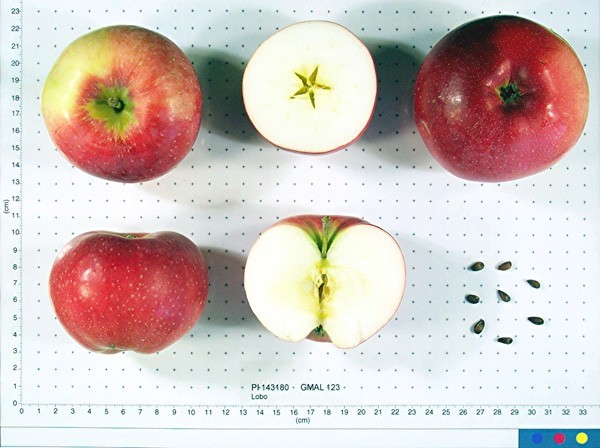
The modern apple grading process extends far beyond a simple visual check. While external appearance is important, the true measure of an apple's quality and shelf life often lies beneath its skin. Internal damage, invisible to the human eye, can lead to significant product loss, consumer dissatisfaction, and financial waste for fruit processors. This is where advanced apple sorting machines equipped with internal inspection capabilities become indispensable. These systems employ sophisticated, non-destructive technologies to peer inside each fruit, assessing its structural integrity and internal composition without causing any harm. By implementing such technology, packers and processors can ensure that only apples with sound internal quality reach the market, thereby protecting their brand reputation and maximizing the value of their produce. The ability to detect these hidden flaws represents a major leap forward in quality control, transforming a traditionally subjective assessment into a precise, data-driven science.
The Role of Near-Infrared (NIR) Spectroscopy
At the heart of most internal inspection systems in apple grading machines is Near-Infrared (NIR) spectroscopy. This technology operates on a fascinating scientific principle. When a beam of near-infrared light is directed at an apple, the molecules inside the fruit—such as water, sugars, and organic acids—absorb specific wavelengths of this light. The remaining light is reflected back to highly sensitive sensors. By analyzing this reflected light spectrum, the machine's computer system can build a detailed chemical and structural profile of the apple's interior. This profile reveals critical information that is directly related to internal quality. For instance, variations in light absorption can indicate differences in sugar content (Brix), which affects sweetness, and dry matter content, which is linked to texture and eating quality. More importantly, it can identify areas of abnormal density or composition that signal the presence of internal disorders. This non-invasive method allows for the rapid inspection of every single apple on the line at high speeds, making it a cornerstone technology for modern fruit sorting.
Identifying Specific Internal Defects: Brown Core, Water Core, and Mold
The analytical power of NIR and similar technologies enables apple sorting equipment to distinguish between various specific internal defects that would otherwise go unnoticed until the fruit is cut open. One common issue is brown core, a disorder where the tissue around the core breaks down, turning brown and often creating cavities. This is typically a storage-related problem. Another is water core, a condition where the spaces between cells fill with a sugary fluid, giving the tissue a water-soaked, translucent appearance. While sometimes associated with high sugar levels, severe water core can lead to internal breakdown during storage. Internal mold or decay, often starting from the calyx or stem end, is another critical target for detection. Advanced sorting machines are programmed with complex algorithms that recognize the unique spectral signatures of these defects. When the sensor data matches a known pattern for brown core, water core, or the early stages of fungal growth, the grading system can automatically divert that apple to a lower grade or a separate pack-out line. This precise identification prevents defective fruit from contaminating healthy batches and ensures consistent quality in every packaged box.
Key Technologies for Internal Quality Inspection
The effectiveness of an internal inspection system within an apple sorter hinges on the seamless integration of several key technologies. It is not merely about having a sensor but about creating a complete ecosystem of hardware and software designed for the harsh, high-speed environment of a fruit packing facility. The core objective is to perform a comprehensive internal scan on each apple as it travels at high velocity, often exceeding ten fruits per second, and to make an accurate grading decision in milliseconds. This requires robust mechanical handling to stabilize the fruit, precise optical systems to deliver and capture light, and incredibly fast computing power to process the resulting data. The convergence of these engineering disciplines results in a sorting machine that acts as an objective, tireless quality inspector, capable of evaluating parameters that are completely beyond human sensory capabilities. Investing in such a system represents a commitment to a new standard of quality assurance.
Advanced Sensor Systems for Non-Destructive Testing
The sensor array is the critical interface between the physical apple and the digital grading system. Modern apple grading machines utilize multi-spectral or hyper-spectral imaging systems that go beyond simple NIR. These systems capture data across a wide range of wavelengths, from visible light into the near-infrared spectrum, creating a rich, multi-dimensional data set for each point on the apple's surface. High-resolution cameras and specially calibrated light sources ensure uniform illumination, eliminating shadows and reflections that could interfere with the internal scan. Some of the most advanced systems may also incorporate other non-destructive testing principles, such as acoustic resonance or X-ray imaging, to cross-verify data and detect specific defects like internal voids or cracks. The physical design of the sensor tunnel is also crucial; it must allow for the apple to be scanned from multiple angles, often by rotating it, to ensure no internal area is missed. This sophisticated sensor suite is the first and most vital step in gathering the raw data needed for an accurate internal assessment.
Data Analysis and Grading Algorithms
The raw spectral data captured by the sensors is meaningless without powerful software to interpret it. This is where grading algorithms and machine learning come into play. The core software of an apple sorting machine contains complex mathematical models that have been "trained" on thousands of sample apples with known internal qualities. These models learn to correlate specific patterns in the spectral data with measurable internal attributes like sugar content, firmness, and the presence of defects. When a new apple is scanned, its data is instantly compared against these models. The algorithms don't just provide a "pass/fail" result; they can assign nuanced scores for multiple internal parameters. For example, an apple might have excellent sugar content but a slight indication of early water core. The business rules programmed into the system by the operator then determine the final grade and destination for that apple based on a weighted combination of all its scores. This data-driven approach allows for incredibly precise and consistent sorting decisions, far surpassing the repeatability of even the most experienced human grader.
Benefits of Internal Quality Sorting for Your Business
Implementing an apple grading machine with robust internal inspection capabilities is a strategic business decision that delivers tangible returns across the entire operation. While the initial investment may be significant, the long-term benefits in terms of brand protection, operational efficiency, and market positioning are substantial. In today's competitive market, where consumers and retailers demand consistent quality and transparency, the ability to guarantee the internal integrity of your product is a powerful differentiator. This technology moves quality control from a reactive process—dealing with customer complaints—to a proactive one, preventing issues before the product ever leaves the facility. It transforms apples from a commoditized agricultural product into a reliably high-quality, branded food item, creating greater value for both the processor and the end consumer.
Ensuring Product Consistency and Consumer Trust
Product consistency is the cornerstone of any strong food brand. When a consumer purchases a bag of apples from a specific grower or brand, they expect a predictable and enjoyable eating experience every time. Internal defects like mealy texture, brown core, or unexpected lack of sweetness directly undermine this trust. An internal quality sorter acts as the ultimate guardian of your brand promise. By removing fruit with hidden flaws, you ensure that every apple that carries your label meets a stringent internal standard for sweetness, crispness, and soundness. This dramatically reduces the risk of consumer complaints and product returns, which are costly and damaging to reputation. Over time, this consistency builds immense consumer loyalty. Retailers also place higher trust in suppliers who can provide such verifiable, objective quality data, often leading to stronger partnerships and access to premium market segments where quality is paramount.
Reducing Waste and Maximizing Yield
From a purely operational and financial perspective, internal sorting technology is a powerful tool for optimizing yield and reducing waste. Traditionally, internal defects are only discovered when the fruit is cut during processing (e.g., for fresh slices, pies, or sauce) or, worse, by the end consumer. At this late stage, the value of the apple is completely lost, and it may have already contaminated other products. An on-line internal inspection system identifies these problematic fruits at the very beginning of the packing process. This allows for intelligent diversion. An apple with minor internal blemishes but otherwise good external quality might be sent to a processing line for juicing or sauce, where its visual defects don't matter, thus recovering its value. Only the severely defective fruit is discarded as true waste. This precise sorting maximizes the utilization of the entire harvest, ensuring that each apple is directed to its highest-value outlet. This not only boosts overall revenue but also contributes to more sustainable operations by minimizing food waste.
Comparing Internal Sorting with External Inspection Methods
To fully appreciate the value of internal inspection, it is essential to understand its relationship with traditional external sorting methods. A comprehensive apple grading machine typically integrates both. External inspection, using high-resolution cameras and sophisticated software, excels at evaluating color, size, shape, and surface defects like scars, russet, or bruising. These are vital parameters for meeting market standards and consumer expectations for appearance. However, these systems are fundamentally limited to what they can see on the surface. They cannot assess what is inside the fruit. Therefore, viewing internal and external sorting as complementary, rather than competing, technologies is key. The most effective quality assurance strategy employs both in tandem, creating a multi-layered inspection net that catches all types of defects. This holistic approach ensures that the final packaged product is superior in both its visible attributes and its hidden eating qualities.
Beyond Surface-Level: Why Internal Checks Are Crucial
Relying solely on external inspection is akin to judging a book by its cover. An apple can have a perfectly beautiful, shiny red skin yet harbor a dry, mealy texture or a developing brown core. Conversely, an apple with some superficial russeting might have exceptionally crisp and sweet flesh. For fresh consumption, the internal quality—texture, juiciness, sweetness, and soundness—is ultimately what defines the eating experience. A consumer who bites into a beautiful apple only to find it mushy or brown inside is unlikely to repurchase that brand. For processors making apple slices, salads, or other fresh-cut products, internal defects directly impact the visual appeal and shelf life of the final product. Internal sorting provides the critical data needed to make informed decisions that align with the final use of the fruit, ensuring that quality is not just skin-deep. It addresses the fundamental consumer demand for taste and texture, which are the true drivers of satisfaction and repeat purchases.
Integrated Systems for Comprehensive Apple Grading
The state-of-the-art in fruit sorting is the fully integrated grading machine. In such a system, a single file of apples travels through a sequence of inspection modules within one unified machine frame. Typically, the process begins with external inspection stations that capture detailed images for color, size, and shape analysis. The apples then move into an internal inspection tunnel equipped with NIR or hyper-spectral sensors. The data from all these stations—external images, internal spectral profiles, and often weight from a precision scale—is fed into a central processing unit in real-time. Powerful grading software then synthesizes all this information for each individual apple. Based on pre-set business rules, the system makes a final, comprehensive grading decision. For instance, it might identify an apple as "Premium Grade: Large, 85% red color, high Brix, no defects." This apple is then gently directed by high-speed air jets or mechanical divers to the appropriate packing lane. This integrated approach guarantees that every grading decision is based on the complete picture of the fruit's quality, delivering unmatched consistency and efficiency.
Choosing the Right Apple Grading Machine for Internal Inspection
Selecting an apple sorting machine with internal quality capabilities is a significant capital investment, and making the right choice requires careful consideration of your specific operational needs and goals. The market offers a range of systems, from basic models that add a simple NIR sensor to ultra-high-speed, fully integrated lines with multiple inspection technologies. The key is to find the machine whose specifications align with your throughput requirements, the quality standards of your target markets, and the specific internal attributes most important for your product. It is not merely about buying the most advanced technology, but about purchasing the right technology that will deliver a clear return on investment for your business. Engaging with experienced suppliers who can provide demonstrations and reference cases is crucial in this evaluation process.
Technical Specifications to Consider: Sensor Accuracy and Speed
Two of the most critical technical specifications to evaluate are sensor accuracy and processing speed, as these often represent a trade-off. Sensor accuracy refers to the system's ability to correctly identify and measure internal attributes. This is influenced by the type of sensor (e.g., multi-spectral vs. hyper-spectral), the resolution of the cameras, the stability of the light source, and the sophistication of the grading algorithms. You must verify the machine's proven detection rates for the specific internal defects relevant to your apple varieties, such as water core or brown core. Processing speed, measured in fruits per second or tons per hour, determines the machine's capacity and its ability to handle your peak season volumes without becoming a bottleneck. Higher speeds can sometimes challenge accuracy, as the sensor has less time to capture data on each fruit. The ideal machine offers a balanced combination: high enough speed to meet your throughput demands while maintaining the level of accuracy necessary to achieve your quality goals and justify the investment.
Integration with Existing Fruit Processing Lines
Finally, the practical aspect of integration cannot be overlooked. A new apple grading machine must fit seamlessly into your existing packing house layout and workflow. This involves several logistical considerations. Physically, you must ensure the machine's dimensions, inlet and outlet heights, and electrical/compressed air requirements are compatible with your facility. From a software perspective, the machine's control system should be able to communicate with any existing warehouse management or traceability software you use. The grading decisions made by the machine need to seamlessly trigger your existing bagging, boxing, or palletizing systems. Furthermore, consider the ease of operation and maintenance. The user interface should be intuitive for your line operators, and the supplier should offer comprehensive training and reliable local service support. A machine with excellent technical specifications that is difficult to integrate or maintain will not deliver its promised value. Therefore, a thorough evaluation of the total cost of ownership, including installation, training, and ongoing support, is as important as evaluating the hardware itself.