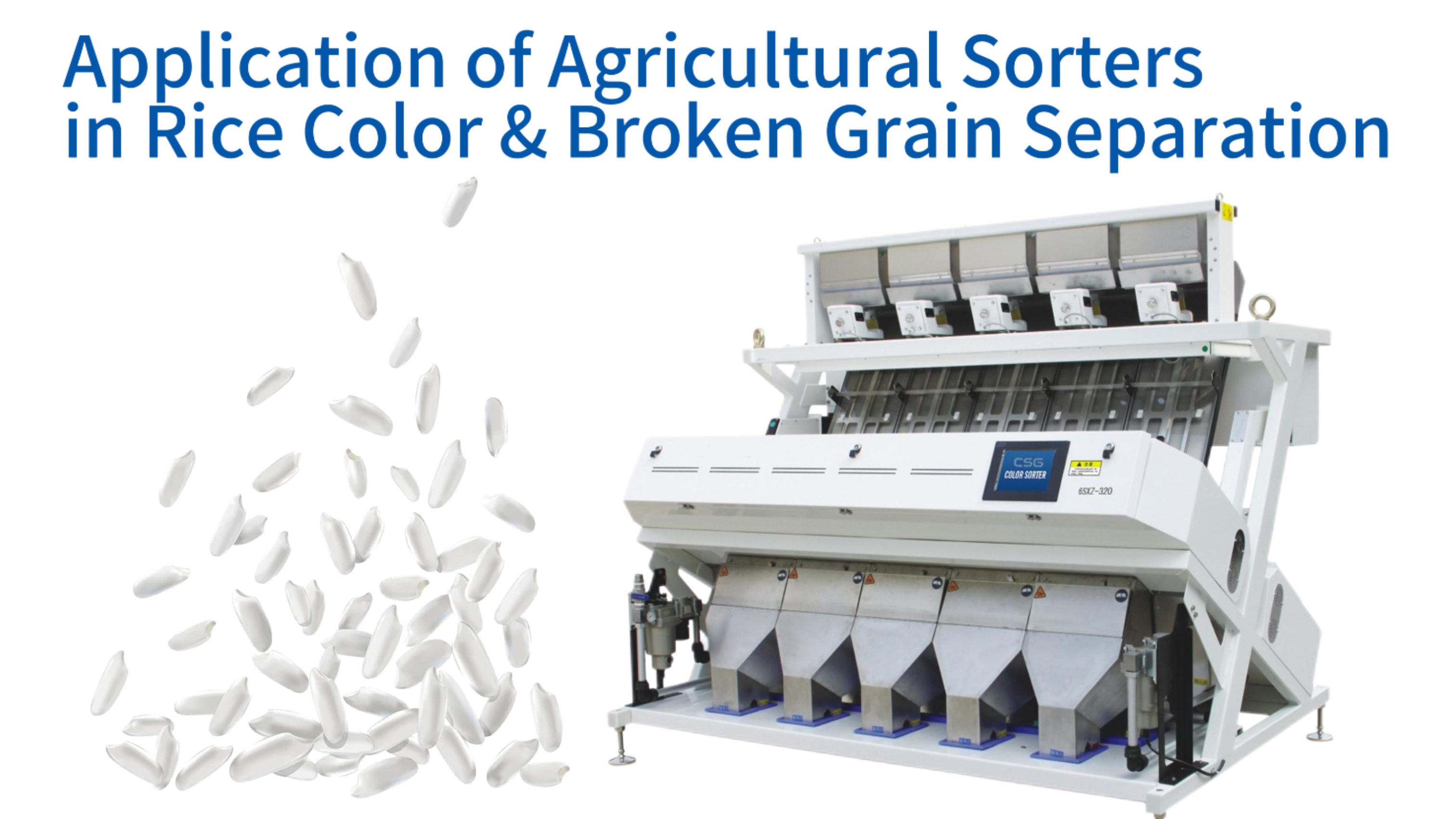
Agricultural sorting machines have transformed the way rice is processed after harvest. These sophisticated systems use advanced optical sensors and artificial intelligence to inspect every single grain. The primary goal is to separate defective kernels and broken fragments from whole, high-quality rice. This separation is critical because appearance directly influences market value. Modern sorters can process several tons of rice per hour with remarkable accuracy. They detect subtle color variations, shape irregularities, and even internal defects invisible to the human eye. The technology ensures that only the best grains reach consumers. For rice millers, this means higher profitability and less waste. This article explores how these machines work, the different types available, and their impact on rice quality. It also covers selection criteria and maintenance practices. By understanding these applications, producers can make informed decisions for their facilities. The integration of AI sorter technology has been a game-changer in achieving consistent results.
The Importance of Rice Color Sorting and Broken Grain Removal
Rice consumption is a daily staple for billions of people around the world. Consumers expect rice to have a uniform appearance and minimal defects. Discolored kernels, chalky grains, and foreign materials reduce the visual appeal. Broken pieces also lower the overall quality grade. In many markets, the price difference between premium whole grain rice and lower-grade rice can be substantial. Therefore, removing these imperfections is not just about aesthetics; it is an economic necessity. Color sorters address this need by automating the inspection process. They work at speeds and accuracies impossible for human sorters. A typical optical sorter can examine over 10,000 grains per second. This high-speed analysis ensures that only grains meeting strict criteria proceed to packaging. The result is a consistently high-quality product that commands a better price. Furthermore, automated sorting reduces labor costs and eliminates the inconsistency of manual sorting. Facilities using advanced color sorter systems report significant improvements in product uniformity.
Broken grains present a different challenge. During milling, a percentage of rice kernels naturally fracture. These fragments cook differently and affect the texture of the final dish. For many cuisines, especially those serving long-grain varieties, a high percentage of broken rice is undesirable. Sorters equipped with shape-recognition algorithms can distinguish between whole and broken grains. They use cameras to measure length-to-width ratios. Grains below a certain length threshold are ejected. This precise separation allows millers to offer different product grades. Whole grains go to premium markets, while broken rice can be sold for other uses like flour production or brewing. This maximizes the value extracted from every batch. Data indicates that effective broken grain removal can increase revenue by 15 to 20 percent for rice mills. The ability to customize sorting parameters gives processors flexibility to meet diverse customer requirements.
Key Defect Types Detected by Rice Sorters & Accuracy Rates
| Defect Category | Detection Accuracy (%) | Primary Detection Method |
|---|---|---|
| Discolored Kernels | 99.5 | RGB + Near-infrared spectral analysis |
| Chalky Grains | 99.2 | Multi-spectral optical sensing |
| Broken Grains | 98.8 | Shape recognition & length-to-width ratio analysis |
| Foreign Materials (Stone/Metal) | 99.9 | Optical contrast + density detection |
| Internal Cracks | 97.5 | Near-infrared transmission imaging |
| Moisture Variations | 98.0 | NIR spectral moisture analysis |
How Optical Sorters Detect Color Defects in Rice
Optical sorters rely on high-resolution cameras and sophisticated lighting. As rice flows through the inspection area, it passes in front of these cameras. The cameras capture images from multiple angles. Advanced sensors detect colors beyond human vision, including near-infrared wavelengths. This allows the machine to identify defects based on their spectral signature. For example, a chalky spot reflects light differently than a translucent healthy grain. The system compares each grain against a pre-set acceptable standard. When a grain falls outside this standard, the sorter triggers a precise air jet. This jet deflects the defective grain into a reject chute. The entire process happens in milliseconds. Modern machines offer channel configurations ranging from 64 to 768 channels, as seen in 12 chutes 768 channels color sorting machine models, which allows for high throughput while maintaining accuracy. This high channel count ensures that even at maximum capacity, each grain is individually inspected.
The lighting environment inside the sorter is carefully controlled. Consistent illumination is crucial for accurate color assessment. Most machines use LED technology, which provides stable light and long life. The background against which grains are viewed also matters. Sorters often have adjustable backgrounds to enhance contrast for different rice types. For white rice, a dark background helps highlight discolored kernels. For brown or parboiled rice, different backgrounds may be used. The combination of lighting, background, and camera sensitivity creates a reliable detection system. Machine learning algorithms continuously improve this process. As the system processes more rice, it refines its ability to distinguish subtle differences. This self-optimization feature, characteristic of chute type AI sorting machine designs, reduces the need for manual adjustments and maintains high accuracy over time.
Camera Technology and Spectral Analysis
The cameras used in rice sorters are not ordinary devices. They are specialized industrial sensors with high frame rates. Some use CCD technology, while others employ CMOS sensors. Both types capture detailed images even as grains move at high speed. Multi-spectral cameras add another layer of capability. They capture data in specific wavelength bands. This allows detection of defects not visible in standard RGB images. For instance, fungal damage or certain types of discoloration have unique spectral signatures. Near-infrared sensors can identify moisture content variations or internal cracks. By combining data from multiple spectral bands, the sorter builds a comprehensive profile of each grain. This multi-sensor approach, similar to that used in multi sensor optical sorter units, achieves detection rates exceeding 99 percent for many defect types. The result is a final product with exceptional purity.
Resolution is another critical factor. Higher resolution cameras see smaller defects. They can spot a tiny speck of discoloration that might escape lower-resolution systems. This is particularly important for premium rice grades where even minor imperfections are unacceptable. However, higher resolution generates more data. The machine's processing unit must handle this data stream in real time. Advanced processors and optimized algorithms make this possible. They analyze millions of pixels per second to make split-second decisions. This computational power is what enables modern sorters to combine high speed with high accuracy. Facilities processing large volumes benefit from this technology as it maintains quality without slowing down production.
Algorithms for Defect Recognition
The brain of the sorter is its software. Algorithms define what constitutes a defect. Engineers program these algorithms based on extensive testing. They analyze thousands of images of good and bad grains. The software learns to recognize patterns associated with defects. This is where artificial intelligence plays a major role. Deep learning models can identify complex defect characteristics. They adapt to new defect types that may appear in different crop years. The system does not just look at color; it considers texture, shape, and size. A grain might have the right color but an abnormal shape. The algorithm flags it as a reject. This multi-parameter analysis ensures thorough quality control. The flexibility of AI-driven systems, such as those found in belt type AI sorting machine configurations, allows processors to fine-tune rejection criteria for different rice varieties.
Operators can adjust the sensitivity of these algorithms. For a high-volume, mid-grade product, they might set a lower sensitivity. This removes only the most obvious defects and maximizes yield. For a premium export product, they increase sensitivity. This removes even subtle imperfections, resulting in a superior grade. The ability to switch between profiles makes the sorter versatile. A single machine can handle multiple product runs with different quality requirements. This adaptability is valuable for millers serving diverse markets. Additionally, the software records data on defect rates. This information helps millers monitor raw material quality and process efficiency. Trends in defect types can indicate issues further up the production line, allowing for proactive corrections.
Broken Grain Separation Mechanisms
Separating broken from whole grains requires different technology than color sorting. While color sorters use cameras, broken grain sorters often rely on size and shape analysis. Some machines combine both functions. They first remove color defects, then analyze grain length. This two-stage process ensures comprehensive quality control. The mechanism for shape detection involves measuring each grain's dimensions. High-speed cameras capture the grain's silhouette. Software calculates its length and compares it to a threshold. Grains shorter than the threshold are classified as broken. They are then ejected by air jets, just like color defects. This method is highly accurate and can handle varying flow rates. Machines with wide belts, such as those with 2800mm width, can process large volumes while maintaining single-layer presentation for accurate measurement.
Another approach uses vibrating screens with specific hole sizes. Screens mechanically separate grains based on size. This method is effective but less precise than optical shape sorting. Screens cannot distinguish between a short whole grain and a long broken piece. They separate strictly by dimensions. For this reason, many modern facilities use optical sorters for broken grain removal. The optical method provides better control over the final product composition. It allows millers to set exact length specifications. For example, they can remove all grains shorter than three-quarters of the average length. This precision ensures consistency. The combination of screen pre-grading and optical final sorting offers an efficient workflow. Data from rice mills shows that optical broken grain removal can reduce broken content in whole grain output to less than 2 percent.
Shape Recognition Technology
Shape recognition builds on the same camera technology used for color sorting. However, the analysis focuses on geometry rather than color. The system creates a binary image where the grain appears as a solid shape against a contrasting background. Software then calculates features like length, width, aspect ratio, and area. It may also detect shape anomalies like curved or pointed ends. These measurements determine whether a grain is whole or broken. Advanced systems can even identify specific break types. A transverse break produces a different shape than a longitudinal crack. This information helps millers understand milling performance. If a particular batch shows a high percentage of specific break types, they can adjust milling parameters. The precision of shape recognition has improved dramatically with better camera resolution and processing power.
Calibration is important for accurate shape sorting. The operator inputs the desired length threshold. The system then uses reference objects to ensure measurements are correct. Regular calibration checks maintain accuracy over time. Some sorters include automatic calibration routines. They run self-tests at startup or during idle periods. This ensures consistent performance without manual intervention. For facilities processing different rice varieties, storing calibration profiles for each type is useful. Long-grain basmati has different length characteristics than short-grain japonica. Switching profiles instantly reconfigures the sorter for the new product. This flexibility, often found in belt type color sorting machine models, enhances operational efficiency and reduces changeover times.
Machine Configurations for Rice Processing
Rice processors can choose between two main sorter configurations. These are chute-type machines and belt-type machines. Each has advantages depending on the application. Chute-type sorters use gravity to feed material down inclined channels. Rice flows in a thin, accelerated stream past the sensors. This design is simple and effective for free-flowing granular materials like rice. It offers high capacity in a compact footprint. The number of channels determines throughput. A machine with 512 channels can process significantly more than one with 64 channels. The modular nature allows processors to select the right size for their volume. Chute-type sorters excel at color sorting and basic shape separation. They are a popular choice for many rice mills due to their efficiency and reliability.
Belt-type sorters use a conveyor to present material to the sensors. Rice is spread into a single layer on the belt. This controlled presentation allows for more detailed inspection. The belt stabilizes the grains, reducing movement during imaging. This results in even higher accuracy, especially for shape-based sorting. Belt-type machines are ideal for applications requiring the highest precision. They can also handle materials that are more delicate or irregular. The belt width can be customized from 300mm to 2800mm to match production scales. A wider belt increases capacity without compromising the single-layer presentation. For rice mills focusing on premium products, belt-type sorters offer the ultimate quality control. The choice between chute and belt depends on the processor's specific goals, whether maximizing throughput or achieving the absolute highest purity.
Chute-Type vs Belt-Type Rice Sorters - Key Parameters Comparison
| Performance Parameter | Chute-Type Sorter | Belt-Type Sorter | Best For |
|---|---|---|---|
| Throughput (tons/hour) | 10-40 | 5-25 | Chute: High-volume production |
| Shape Sorting Accuracy | 98.5% | 99.2% | Belt: Premium grade rice |
| Suitable Rice Types | Dry/Non-sticky | All types (incl. parboiled) | Belt: Delicate/sticky varieties |
| Footprint (m²) | 8-15 | 15-30 | Chute: Space-constrained mills |
| Maintenance Frequency | Medium | High | Chute: Low-maintenance needs |
Chute-Type Sorter Features for Rice
Chute-type sorters are the workhorses of the rice industry. They are known for their high throughput and robust operation. A typical machine might have between 1 and 12 chutes, each with multiple channels. The channels are precision-engineered to ensure uniform material flow. This uniformity is key to accurate sorting. Variations in flow density can lead to missed defects or false rejects. Modern chute designs minimize these variations. They incorporate wear-resistant liners to maintain channel geometry over years of use. The ejection system in chute-type sorters must be fast and precise. Air jets are positioned at the end of each channel. When a defect is detected, the corresponding jet fires. The timing must be perfect to hit the correct grain as it leaves the channel. Advanced control systems manage this timing with microsecond precision. The 8 chutes 512 channels AI sorting machine configuration represents a common high-capacity solution in many mills.
Maintenance of chute-type sorters focuses on the channels and windows. The optical windows must stay clean for accurate detection. Most machines have automatic cleaning systems. They use wipers or air blasts to remove dust. Operators also perform periodic manual cleaning during scheduled downtime. The chutes themselves can be inspected for wear. If channels become rough or uneven, material flow may be affected. Resurfacing or replacing chute liners restores optimal performance. Despite their complexity, chute-type sorters are designed for continuous industrial use. They can operate 24 hours a day with minimal supervision. This reliability makes them a cornerstone of modern rice processing lines.
Belt-Type Sorter Advantages for Delicate Grains
Belt-type sorters offer distinct advantages for certain rice applications. Parboiled rice, for example, can be more sticky than raw rice. On a chute, sticky rice may not flow as freely. The belt conveyor ensures positive transport regardless of surface characteristics. This prevents bridging and ensures consistent presentation. Similarly, very large or irregular grains benefit from belt transport. The belt provides a stable platform for imaging. There is no tumbling or rotation as the grain passes the cameras. This stability allows for more accurate length measurement. For broken grain separation, this accuracy is critical. Belt-type sorters can achieve higher precision in distinguishing whole from broken grains. The gentle handling also reduces additional breakage. This is important for high-value varieties where minimizing fines is a priority. The controlled environment of a 1400mm belt width AI sorting machine offers an excellent balance of capacity and precision for medium to large mills.
The belt itself is a consumable component that requires attention. It must maintain a consistent color and surface. Scratches or discoloration on the belt could be mistaken for defects. Therefore, belts are made from high-quality, uniform materials. They are also designed for easy replacement. Some machines have belt tracking systems that automatically keep the belt centered. This prevents edge damage and ensures long belt life. The cleaning systems for belt-type sorters focus on the belt surface. Brushes or scrapers remove any material that sticks. This maintains the clean background needed for accurate imaging. With proper care, belt-type sorters deliver exceptional performance for years. Their ability to handle challenging materials makes them a valuable asset for diversified processors.
Operational Parameters Affecting Sorting Performance
Several factors influence how well a sorter performs. These include feed rate, material preparation, and environmental conditions. Operators must understand these parameters to optimize results. Feed rate is perhaps the most critical. Each sorter has a design capacity. Operating within this range ensures each grain is properly inspected. Overfeeding leads to overlapping grains. Overlapping causes defects to be missed. Underfeeding reduces efficiency and throughput. Finding the right balance is key. Automatic feed control systems help maintain optimal rates. They monitor the load on the sorter and adjust the infeed accordingly. This automation compensates for variations in upstream supply. It ensures consistent performance regardless of operator attention. Data from processing lines shows that automatic feed control can increase effective capacity by 15 percent while maintaining quality.
Material preparation also matters. Rice entering the sorter should be free of dust and loose hulls. Dust can coat grains and obscure defects. It can also coat the optical windows, reducing visibility. Pre-cleaning the rice with aspirators or screens improves sorter performance. The rice should also be at a stable moisture content. Very dry rice may be more prone to static electricity. Static causes grains to cling together, again leading to overlapping. Slightly moist rice flows better but must not be wet enough to stick. Processors establish standard operating procedures for moisture control. They also ensure consistent temperature in the sorting area. Extreme temperatures can affect sensor performance. By controlling these environmental factors, mills achieve maximum sorting efficiency. The integration of smart material feeding systems helps maintain consistent material presentation regardless of upstream variations.
Impact of Throughput on Accuracy
The relationship between throughput and accuracy is inverse. As throughput increases, accuracy eventually decreases. This is because the machine has less time to analyze each grain. At very high speeds, grains may also be closer together. This increases the chance of two grains being mistaken for one. The challenge for sorter designers is to push the speed limit without sacrificing accuracy. Advances in processing electronics have helped. Faster processors can analyze images more quickly. Improved sensor technology captures clearer images in shorter exposure times. Better air valve technology allows faster ejection cycles. These improvements mean modern sorters can run faster while maintaining 99 percent accuracy. However, there is still a limit. Operators must respect the machine's rated capacity. Pushing beyond it invites quality problems. The optimal point balances throughput with the quality requirements of the final product. For premium grades, running slightly below maximum capacity ensures the highest purity.
Monitoring rejection rates provides insight into performance. A sudden increase in rejects might indicate a problem. It could be a change in raw material quality. Or it might signal a sensor or valve malfunction. Conversely, a drop in rejects could mean the sorter is missing defects. Operators track these trends daily. They use the data to make adjustments. If rejects are too high, they might reduce sensitivity slightly. This improves yield but must not compromise quality. Finding this sweet spot requires experience and attention to detail. Modern sorters provide detailed reporting on reject composition. They can separate color rejects from shape rejects. This data helps operators understand what is being removed. They can then verify if the machine is performing as expected. This level of insight turns sorting from a black box into a manageable process.
Maintenance Practices for Consistent Sorting
Like any precision equipment, sorters require regular maintenance. A well-maintained sorter performs consistently day after day. Neglecting maintenance leads to gradual performance decline. The first signs are often increased false rejects or missed defects. Eventually, the machine may require emergency repairs. A preventive maintenance schedule prevents these issues. The schedule includes daily, weekly, and monthly tasks. Daily tasks focus on cleaning and visual inspection. Operators check the optical windows for dust or streaks. They ensure the lighting system is functioning. They also listen for unusual noises from fans or valves. These simple checks take only minutes but catch many problems early. Weekly tasks are more thorough. They include cleaning the interior compartments. Operators also check air filters and replace them if dirty. They verify that the ejection valves are firing correctly. A simple test with a sensor checker confirms valve timing.
Monthly maintenance involves deeper inspection. Technicians check belt tension and tracking on belt-type machines. They inspect chutes for wear on chute-type machines. They also calibrate the sensor system. Calibration ensures that color measurements remain accurate over time. Reference materials of known color are used for this. The machine's readings are adjusted to match the reference. This corrects any drift in sensor sensitivity. Lubrication of moving parts, where applicable, is also performed. Bearings in conveyor systems need periodic greasing. Following the manufacturer's guidelines ensures proper lubrication. Records of all maintenance activities are kept. These records help predict when parts will need replacement. They also provide a history if problems arise. A disciplined maintenance program maximizes uptime and sorting quality. The robust construction of x ray sorter machines, while different in application, demonstrates the importance of build quality in maintaining long-term reliability.
Cleaning Protocols for Optical Components
The optical system is the most sensitive part of the sorter. It must stay clean to see defects. Most machines have automatic cleaning systems. These use compressed air to blow dust off the windows. Some also have wipers that periodically wipe the glass. These systems run continuously during operation. However, they are not 100 percent effective. Some deposits, like rice dust mixed with oil, can stick. Manual cleaning during scheduled stops removes these deposits. Operators use approved cleaning solutions and soft cloths. They never use abrasive materials that could scratch the glass. Scratches can appear as defects in the images. The cleaning frequency depends on the material. Rice with high bran content may require more frequent cleaning. Operators learn to recognize when windows are getting dirty. A gradual increase in false rejects often signals this. By responding promptly, they maintain accuracy.
Protecting the optics during maintenance is important. When working inside the machine, covers should be placed over the lenses. This prevents accidental scratches. Technicians also check the condition of seals and gaskets. These keep dust out of the optical compartment. Worn seals allow dust ingress, leading to faster fouling. Replacing seals during routine maintenance prevents this. The lighting system also needs attention. LED modules have long lives but eventually dim. Diminished light output affects detection. Some machines monitor light levels and alert operators when replacement is needed. Keeping spare LED modules on hand allows quick replacement during maintenance windows. By caring for the optical system, facilities ensure their sorter sees clearly for years.
Air System Maintenance
The ejection system relies on compressed air. Valves must open and close rapidly. Air pressure must be consistent. The air supply must be clean and dry. Moisture in the air can cause valves to stick. Dirt can block nozzles. Therefore, the air preparation system is critical. It includes filters, regulators, and dryers. Operators check these components daily. They drain water from filters and ensure pressure is correct. They also listen for valve operation. A valve that fails to fire means defects are not removed. Periodic valve testing identifies issues. Some sorters have self-diagnostic routines for valves. They fire each valve in sequence and check for proper operation. This automated test saves time and ensures reliability. Replacing worn valves promptly prevents quality issues. Keeping a small stock of spare valves allows quick replacement.
The air nozzles themselves can become clogged. Fine dust can accumulate in the nozzle tips. This reduces the force of the air blast. Some defects may not be fully ejected. Cleaning nozzles during maintenance prevents this. Compressed air blown through the nozzles clears minor blockages. For stubborn blockages, nozzle removal and cleaning may be needed. The alignment of nozzles with the material stream is also important. Misaligned nozzles may miss their target. Checking alignment during setup and after maintenance ensures effective ejection. The entire air system, from compressor to nozzle, must work in harmony. Facilities that invest in quality air preparation equipment see fewer sorting errors. They also extend the life of the ejection valves. This attention to detail pays off in consistent product quality.
Economic Benefits of Implementing Sorters in Rice Mills
Investing in sorting technology delivers clear economic returns. The primary benefit is increased product value. Premium-grade rice sells for significantly more than standard-grade. By removing defects and broken grains, millers can upgrade a portion of their output. This creates a high-value product line. The remaining material, still saleable for other uses, represents recovered value. Without sorting, the entire batch might sell at a lower average price. The uplift in revenue often pays for the sorter within one to two years. Additionally, sorters reduce labor costs. Manual sorting requires many workers. It is also inconsistent. Workers get tired and miss defects. Sorters work tirelessly with consistent accuracy. The labor savings alone can be substantial over time. For large mills, the reduction in sorting staff can represent a significant annual saving.
Waste reduction is another economic factor. Defective grains removed by the sorter are not wasted. They can be sold for animal feed, industrial uses, or further processing. This generates revenue from material that would otherwise lower the value of the entire batch. Sorters maximize the value extracted from every kernel. They also improve process efficiency downstream. A consistent, clean product flows better through packaging equipment. There are fewer jams and stoppages. This increases overall plant throughput. The data collected by sorters also aids procurement. Millers can assess the quality of incoming raw rice. They can use this data to negotiate prices with suppliers. Over time, they can select suppliers who provide consistently higher-quality material. All these factors contribute to a healthier bottom line. For facilities handling thousands of tons annually, the cumulative impact is substantial. The precision offered by advanced detection technologies ensures maximum value recovery from every batch.