Feeding & Spreading
Multispectral Imaging
AI Defect Analysis
Pneumatic Ejection
Data Logging
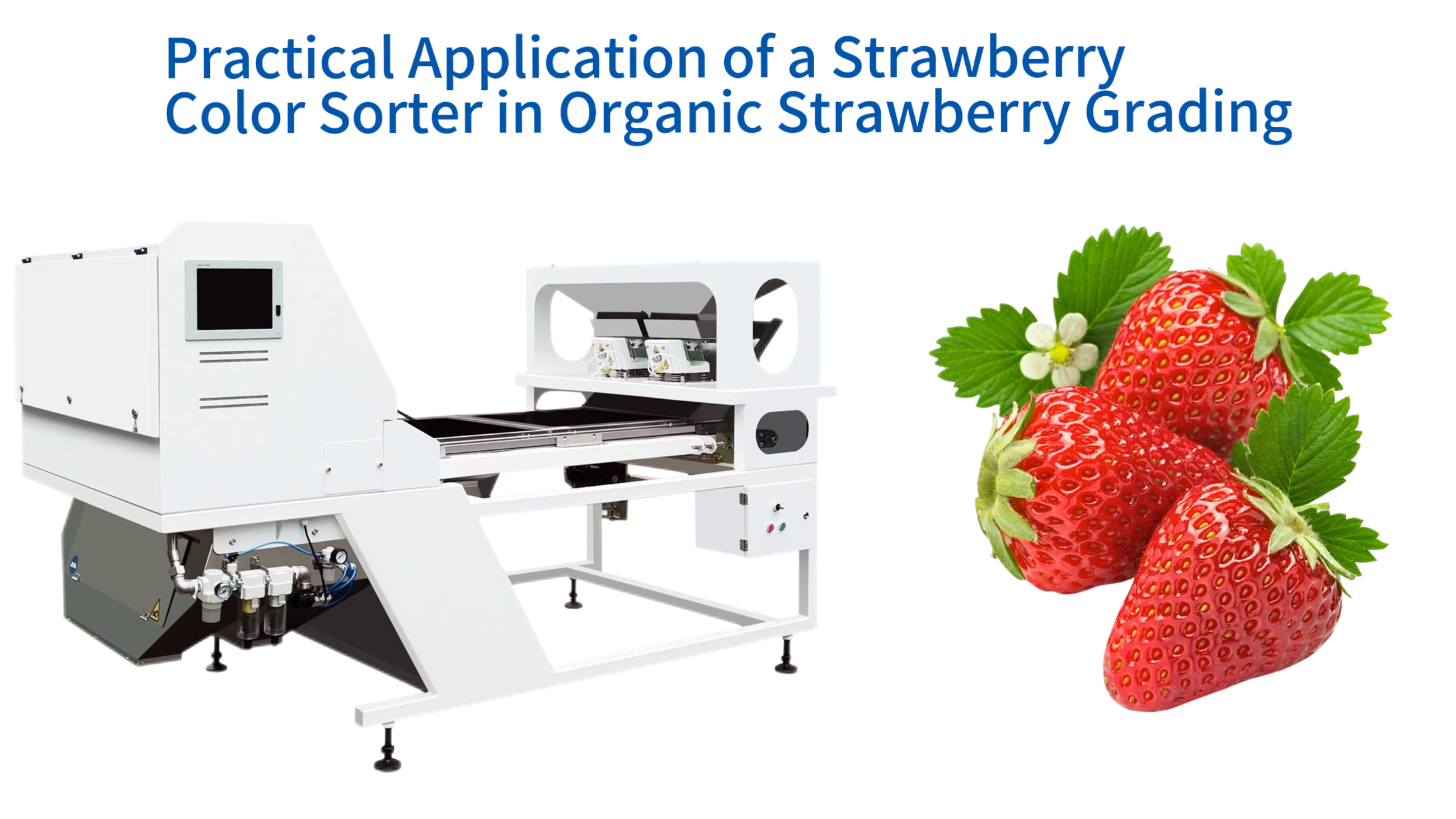
Organic strawberry grading presents a distinct set of challenges that conventional methods cannot easily solve. Because organic farming avoids synthetic pesticides and ripening agents, organic strawberries often show greater natural variation in color, size, and surface texture. This variability makes it difficult for traditional sorting equipment to distinguish between harmless blemishes and true defects. A modern strawberry color sorter addresses this problem by combining high-resolution optical sensors with artificial intelligence. The machine learns from thousands of fruit samples, continuously improving its ability to identify mold, bruising, insect damage, and other imperfections while preserving the fruit's delicate structure. This article explains how a strawberry color sorter works, why it is particularly valuable for organic grading, and how it can be integrated into a production line. Readers will also learn about routine maintenance practices, real-world performance data, and the economic benefits of moving from manual sorting to automated optical inspection. Whether you operate a small organic farm or a large processing facility, understanding this technology is essential for meeting consumer expectations and maintaining organic certification standards.
Understanding the Unique Grading Challenges of Organic Strawberries
Organic strawberries differ from conventionally grown fruit in several important ways that directly impact grading. Without synthetic fungicides and growth regulators, organic berries are more likely to develop minor surface blemishes, uneven ripening patterns, and natural color variations that do not affect safety or flavor. However, these same characteristics can cause a strawberry sorting machine to mistakenly reject acceptable fruit if the system is not properly calibrated. A dedicated strawberry color sorter overcomes this limitation by using deep learning algorithms trained specifically on organic produce. The system learns to recognize the difference between a harmless sunburn spot and a mold lesion, between natural shoulder greening and true under-ripeness. This intelligent approach ensures that organic growers maximize their usable yield while maintaining high quality standards.
Another major challenge for organic strawberry grading is the absence of post-harvest chemical treatments that extend shelf life. Because organic berries cannot be treated with synthetic preservatives, any defective fruit left in a batch can rapidly spoil and affect neighboring berries during storage or transportation. A strawberry color sorter equipped with multispectral imaging can detect early-stage mold growth that is still invisible to the human eye. This early detection capability is particularly valuable for organic producers who ship fruit over long distances to retail customers. By removing infected berries at the grading stage, processors significantly reduce the risk of entire batches being rejected at the destination. The financial impact of this preventive capability alone often justifies the investment in automated sorting equipment for medium and large organic operations.
Natural Color Variations That Confuse Conventional Sorters
Organic strawberries display a wider range of red, pink, and green tones compared to conventional fruit. A standard color sorter set to rigid parameters would reject many of these naturally varied berries as defective. However, a modern strawberry color sorter uses adaptive algorithms that learn the acceptable color range for each specific variety and growing season. The system can be trained to accept gradual color transitions while still rejecting sudden discoloration caused by bruising or disease. This flexibility is achieved through the ai sorter platform, which continuously updates its decision boundaries based on incoming product samples.
Mold Detection Without Synthetic Preservatives
Mold is a persistent concern for organic strawberry processors because the fruit lacks chemical protection. A strawberry color sorter addresses this vulnerability through high-resolution cameras that capture detailed surface images from multiple angles. The system's algorithms look for subtle texture changes and color shifts that precede visible mold growth. In field tests, these optical sorters achieved mold detection rates exceeding 98 percent while maintaining false reject rates below 2 percent. This level of accuracy is impossible to achieve with manual sorting, especially at production speeds of several tons per hour.
Minimizing Mechanical Damage During Sorting
Organic strawberries often have softer flesh and thinner skins than conventional fruit, making them more susceptible to bruising during mechanical handling. The strawberry color sorter addresses this challenge through a belt-type conveyance system that transports fruit smoothly without dropping or tumbling. Unlike chute-type sorters that rely on gravity and impact, belt-type systems use a flat, continuous belt that carries each berry gently through the inspection zone. This gentle handling is further enhanced by precision-calibrated air ejectors that use just enough force to remove defective fruit without disturbing neighboring berries. Data from commercial installations shows that belt-type strawberry sorters reduce mechanical damage by up to 70 percent compared to older sorting technologies.
Meeting Organic Retailer Quality Standards
Major organic retailers impose strict visual quality standards that often exceed basic organic certification requirements. A strawberry color sorter allows producers to program specific quality parameters for different customers, such as maximum allowable blemish size or minimum required red surface area. The system can also sort by fruit size and shape, enabling producers to offer multiple grade levels from the same harvest. This flexibility is achieved through the chute type ai sorting machine configuration, which provides high throughput for smaller, uniformly shaped berries while maintaining gentle handling.
How a Strawberry Color Sorter Sees, Learns, and Acts
Color Sorter Working Flow
High-Speed Cameras
Multispectral Imaging
Deep Learning AI
Pneumatic Ejection
Real-Time Data Log
Full processing time < 50 milliseconds
The technical foundation of a strawberry color sorter rests on three interconnected systems: optical sensing, artificial intelligence decision-making, and high-speed pneumatic ejection. During operation, strawberries travel along a vibrating feeder that spreads them into a single layer. As each berry passes through the inspection zone, multiple high-resolution cameras capture images from different angles under specialized LED lighting. These images are processed in real time by the advanced detection system, which analyzes color, shape, texture, and size. The entire process from image capture to ejection decision takes less than 50 milliseconds, allowing the machine to sort several tons of strawberries per hour with remarkable precision.
What makes a strawberry color sorter truly intelligent is its ability to learn from experience. The system is initially trained on thousands of manually labeled strawberry images, learning to distinguish between acceptable natural variations and true defects. As the machine processes more fruit, its algorithms continue to refine their decision boundaries, adapting to seasonal changes in fruit appearance and new defect types. This continuous learning capability is particularly valuable for organic producers who may see greater variability in their harvest from year to year. Unlike conventional sorters that require frequent manual recalibration, a modern strawberry color sorter maintains consistent accuracy with minimal operator intervention.
Multispectral Imaging for Hidden Defect Detection
Beyond visible light, advanced strawberry color sorters use near-infrared and ultraviolet sensors to detect defects that are invisible to the human eye. These multispectral systems can identify internal bruising, early-stage rot, and even certain pesticide residues on conventional fruit. For organic applications, the ability to detect internal deterioration before it becomes visible on the surface is particularly valuable. The nir sorter technology provides this capability, allowing processors to remove berries that will spoil within days even though they still look acceptable at the time of sorting.
Deep Learning Algorithms That Improve With Use
The artificial intelligence powering a strawberry color sorter uses convolutional neural networks similar to those used in facial recognition systems. These networks are trained on massive datasets of strawberry images, learning to recognize subtle patterns associated with specific defect types. Unlike traditional rule-based sorters, deep learning systems can generalize from examples, meaning they can identify defect types they were not explicitly programmed to detect. This capability is especially useful for organic strawberries, where new disease or pest issues may emerge unexpectedly.
High-Speed Pneumatic Ejection With Adjustable Force
Once a defective strawberry is identified, the machine must remove it from the product stream without damaging surrounding fruit. The strawberry color sorter accomplishes this through an array of high-speed solenoid valves that release precisely timed bursts of compressed air. The ejection force can be adjusted based on fruit size and fragility, with organic berries typically requiring lower air pressure to prevent bruising. This precision is achieved through the high speed ejection system, which maintains accurate targeting even at throughput rates exceeding five tons per hour.
Real-Time Data Logging and Quality Reporting
Modern strawberry color sorters continuously record data on throughput rates, rejection percentages, and defect types. This information is presented through an intuitive touchscreen interface, allowing operators to monitor performance and adjust parameters as needed. The system can also generate detailed quality reports for each production batch, providing valuable documentation for organic certification audits. Some models offer remote monitoring capabilities, enabling technical support teams to diagnose issues without visiting the facility.
Belt-Type Versus Chute-Type Strawberry Color Sorters for Organic Fruit
Belt-Type vs Chute-Type Sorter Comparison
| Parameter | Belt-Type | Chute-Type |
|---|---|---|
| Suitable Fruit | Fresh Organic Strawberries | Frozen/Dried Strawberries |
| Damage Rate | <1% | Higher (Not for fresh) |
| Throughput | 3 tons/h | 10+ tons/h |
| Cost | Higher | Lower |
Strawberry color sorters are available in two main configurations: belt-type and chute-type. Each design has distinct advantages depending on the specific application and fruit characteristics. Belt-type sorters use a flat, continuous conveyor belt to transport strawberries through the inspection zone. This design minimizes fruit-to-fruit contact and eliminates the dropping action found in chute-type systems, making it the preferred choice for fresh, delicate organic strawberries. Belt-type sorters also provide a more stable imaging platform, as the fruit remains in a consistent orientation relative to the cameras. However, belt-type machines typically have a larger footprint and higher initial cost compared to chute-type alternatives.
Chute-type strawberry color sorters use gravity to carry fruit down a sloped surface, with accelerators that separate individual berries before they enter the inspection zone. These machines are generally more compact and less expensive than belt-type sorters, making them popular for smaller processing lines and for applications involving frozen or dried strawberries. The chute design also allows for higher throughput rates per unit of floor space, as multiple chutes can be stacked in a single machine. However, the dropping and sliding action inherent in chute-type sorters can cause mechanical damage to fresh, soft organic strawberries. The choice between belt-type and chute-type ultimately depends on the fruit's condition and the processor's priorities regarding gentle handling versus throughput.
Gentle Handling Advantages of Belt-Type Systems for Fresh Berries
For fresh organic strawberries destined for retail packages, the belt-type strawberry color sorter is almost always the better choice. The flat belt eliminates the impact forces that occur when fruit drops from one surface to another, reducing bruising and skin abrasion. The belt also provides a stable platform for cameras, allowing for more consistent defect detection. Installations using the 600mm belt width ai sorting machine have reported damage rates below 1 percent while maintaining throughput of approximately three tons per hour.
Chute-Type Efficiency for Frozen and Processed Strawberries
Frozen organic strawberries are much less susceptible to mechanical damage than fresh fruit, making them well-suited for high-speed chute-type sorting. The freezing process hardens the fruit's structure, allowing it to withstand the dropping and sliding actions without significant bruising. For this application, the 12 chutes 768 channels ai sorting machine can process over ten tons per hour while maintaining sorting accuracy above 99 percent.
Hybrid Systems for Mixed Fresh and Frozen Processing
Some organic strawberry processors handle both fresh and frozen products, requiring a sorting solution that can accommodate both. Hybrid systems combine a belt-type infeed for fresh fruit with the ability to bypass the belt for frozen applications. These versatile machines offer the best of both worlds but come with higher complexity and cost. Processors considering this approach should conduct material testing with their specific products before making a final decision.
Selecting Based on Upstream and Downstream Equipment
The choice between belt-type and chute-type strawberry color sorters also depends on the surrounding equipment in the processing line. Belt-type sorters work well with other belt conveyors and with manual inspection stations, while chute-type sorters are better matched with vibratory feeders and bucket elevators. Proper integration ensures smooth material flow and prevents bottlenecks that could reduce overall line efficiency.
Practical Applications Across Fresh, Frozen, and Dried Organic Strawberries
Throughput by Strawberry Type (tons/h)
Fresh: 2-3 tons/h
Frozen: 8+ tons/h
Dried: Custom Algorithm
The strawberry color sorter proves its value across multiple organic product forms, from fresh market berries to frozen slices and dried pieces. Each application requires specific adjustments to the machine's settings, particularly regarding ejection force and defect sensitivity. For fresh organic strawberries, the priority is preserving fruit integrity while removing only truly defective berries. The sorting parameters are typically set to accept minor cosmetic blemishes while rejecting fruit with mold, bruising, or insect damage. Throughput for fresh berries is generally lower, typically two to three tons per hour, to allow for gentle handling and careful inspection.
For frozen organic strawberries, the priority shifts to maximum throughput while maintaining high defect removal rates. The freezing process makes the fruit more uniform in appearance and less prone to damage, allowing the strawberry color sorter to operate at much higher speeds. Some frozen strawberry lines achieve throughput exceeding eight tons per hour with sorting accuracy above 99.5 percent. Dried organic strawberries present yet another set of optimization parameters, as the dehydration process changes both the color and texture of the fruit. Dried berries are generally darker and more wrinkled than fresh fruit, requiring specially trained algorithms to distinguish between normal drying characteristics and actual defects such as scorching or discoloration.
Fresh Market Grading for Organic Retail Packages
Retail packages of organic strawberries demand consistently high visual quality, as consumers expect perfect appearance at premium prices. The strawberry color sorter used for fresh market grading is typically configured with tighter tolerance settings than those used for processed products. The system removes any fruit with visible blemishes larger than a few millimeters, as well as any berries showing unusual color patterns. This strict grading ensures that every package meets the retailer's specifications, reducing the risk of customer complaints and returns.
Frozen Organic Strawberry Slicing and Sorting Integration
Many organic strawberry processors combine slicing and sorting operations into a single integrated line. The dehydrated strawberry sorting machine configuration is particularly popular for frozen applications, as it can simultaneously sort by color, size, and shape. This integration reduces handling and labor costs while improving overall product consistency.
Dried Strawberry Sorting for Snack and Cereal Applications
Dried organic strawberries used in cereals, trail mixes, and snack bars must meet different quality standards than fresh or frozen fruit. For these applications, the strawberry color sorter focuses on removing scorched, discolored, or misshapen pieces rather than subtle blemishes. The system's algorithms are trained to recognize normal drying characteristics while rejecting pieces that show signs of over-processing or foreign material contamination.
Organic Strawberry Powder and Puree Feedstock Sorting
Even when strawberries are destined for powder or puree production, sorting remains important. Removing defective fruit at the front end of the line prevents off-flavors and quality issues from carrying through to the final product. For this application, the strawberry color sorter is typically configured with higher throughput settings and less strict cosmetic standards, as minor blemishes will not affect the processed product's quality.
Maintenance Practices Specific to Strawberry Color Sorters
Daily & Monthly Maintenance Flow
Daily Lens Cleaning
Belt Residue Cleaning
Weekly Nozzle Check
Monthly Valve Test
Sensor Calibration
Strawberry color sorters require more frequent and specialized maintenance than sorters used for dry products like grains or nuts. The primary reason is the sticky, sugary residue that strawberries leave on machine surfaces. This residue can accumulate on camera lenses, lighting panels, and conveyor belts, gradually degrading sorting accuracy. Daily cleaning protocols are essential to maintain performance, with operators wiping down optical surfaces using approved cleaning solutions that do not leave streaks or residues. The cleaning process typically takes fifteen to twenty minutes for a standard machine and should be performed at the end of each production shift.
Beyond surface cleaning, strawberry color sorters require regular inspection of wear parts such as air nozzles, solenoid valves, and belt scrapers. The acidic nature of strawberry juice can corrode certain metals over time, making material selection an important consideration. High-quality strawberry color sorters use corrosion-resistant components and sealed electrical enclosures to protect against moisture ingress. A monthly maintenance schedule should include checking and replacing air filters, inspecting pneumatic hoses for cracks or leaks, and verifying the calibration of optical sensors. Keeping detailed maintenance logs helps identify patterns of wear and predict when parts will need replacement, minimizing unplanned downtime.
Daily Cleaning of Optical Lenses and Lighting Panels
The most critical maintenance task for any strawberry color sorter is daily cleaning of the optical system. Even a thin film of strawberry residue can scatter light and reduce contrast, causing the machine to miss defects or falsely reject good fruit. Operators should use microfiber cloths and approved optical cleaners, following the manufacturer's recommended procedure. The smart material feeding system also requires regular cleaning to prevent buildup that could affect product flow.
Preventing Residue Buildup on Conveyor Belts
Strawberry juice and pulp can accumulate on the conveyor belt, creating a sticky surface that causes fruit to adhere rather than flow smoothly. The belt should be cleaned at the end of each shift using food-grade cleaning solutions and soft brushes. Some modern strawberry color sorters feature self-cleaning belt systems that automatically spray the belt with cleaning solution at regular intervals.
Inspecting and Replacing Air Nozzles and Solenoid Valves
The pneumatic ejection system is subject to wear from both the compressed air and the strawberry juice that may splatter during ejection. Air nozzles should be inspected weekly for blockages or damage, and solenoid valves should be tested monthly for proper response time. A slow or stuck valve can cause missed defects or unnecessary ejection of good fruit.
Calibrating Sensors After Cleaning
After any cleaning that involves optical surfaces or belt components, the strawberry color sorter should be recalibrated. The calibration process involves running a known reference sample through the machine and adjusting parameters until the system's output matches the expected results. Most modern sorters automate this process, requiring only that the operator place the reference sample on the belt and start the calibration routine.
Economic Benefits and Performance Data for Organic Strawberry Processors
Investing in a strawberry color sorter represents a significant capital expenditure, but the return on investment for organic processors is typically compelling. The primary economic benefit comes from labor reduction: a single strawberry color sorter can replace ten to twenty manual sorters while operating at higher speeds and with greater consistency. For a medium-sized organic strawberry operation processing five tons per day, labor savings alone often justify the machine cost within twelve to eighteen months. Additional benefits include reduced product giveaway (since the machine rejects only truly defective fruit), lower customer returns, and the ability to accept larger contracts that require automated sorting capacity.
Performance data from commercial installations demonstrates the effectiveness of modern strawberry color sorters. Typical sorting accuracy ranges from 99.2 to 99.7 percent for fresh organic strawberries, with false reject rates below 2 percent. For frozen organic strawberries, accuracy often exceeds 99.8 percent with false rejects below 1 percent. The belt-type belt type ai color sorting machine models achieve the lowest damage rates, typically under 1.5 percent for fresh berries. These performance metrics translate directly to improved profitability, as every percentage point of increased yield or reduced damage adds thousands of dollars annually to the processor's bottom line.
Labor Cost Reduction and Reallocation
The most immediate and measurable benefit of a strawberry color sorter is the reduction in manual sorting labor. A typical manual sorting line for organic strawberries requires ten to fifteen workers operating at speeds of 200 to 300 kilograms per hour per person. A single strawberry color sorter operating at three tons per hour replaces this entire crew, freeing workers for other tasks such as quality assurance, packaging, or maintenance. The labor savings typically range from fifty thousand to one hundred fifty thousand dollars annually depending on local wage rates and operating hours.
Reducing Product Giveaway Through Precision Sorting
Manual sorters tend to be conservative, rejecting fruit that might be acceptable because they cannot afford to let defective fruit pass. A strawberry color sorter eliminates this problem by making consistent, objective decisions. The result is typically a 3 to 5 percent increase in usable yield compared to manual sorting, representing tens of thousands of dollars in additional revenue annually for a medium-sized processor.
Lowering Customer Returns and Brand Protection
Organic brands depend on customer trust, and a single package containing defective fruit can damage that trust. By ensuring consistent quality, a strawberry color sorter reduces customer complaints and returns. For a processor shipping one million packages annually, reducing the return rate by just 0.5 percent saves five thousand packages from being returned, along with the associated shipping, handling, and replacement costs.
Enabling Larger Contracts and Extended Market Reach
Many large organic retailers and food manufacturers require their suppliers to use automated optical sorting for quality assurance. By investing in a strawberry color sorter, processors qualify for these larger contracts and can access export markets that require certified sorting processes. This market access benefit often dwarfs the direct cost savings from labor reduction, representing the single largest return on investment for many processors.