How Apple Sorting Machines Evaluate Color Uniformity
The evaluation of color uniformity by modern apple sorting machine is a sophisticated process that goes far beyond simple human visual inspection. At its core, this technology aims to replicate and exceed the discerning eye of a quality control expert, providing a consistent, objective, and rapid assessment of every single apple that passes through the production line. The principle is based on the understanding that color is a primary indicator of both aesthetic quality and internal maturity for many apple varieties. A uniform, vibrant color is often associated with optimal ripeness and superior taste in the consumer's mind. Therefore, automating this assessment is crucial for packers and distributors who need to meet specific market standards, whether for premium fresh fruit aisles or for consistent raw material in processing. The machine's system doesn't just see 'red' or 'green'; it quantifies the color profile across the entire surface of the fruit, creating a digital map that can be analyzed for consistency, intensity, and the presence of undesirable color variations that might indicate defects or improper storage conditions.
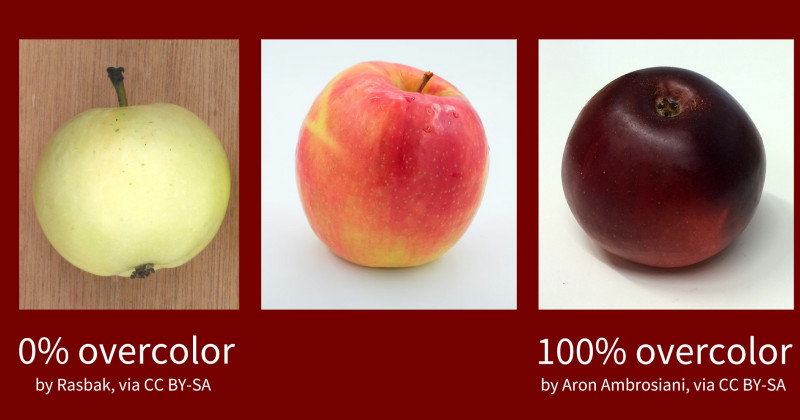
This automated process begins the moment an apple is singulated and presented to the inspection chamber. Here, it is subjected to controlled lighting conditions that eliminate shadows and inconsistencies, ensuring that every fruit is judged under the same parameters. High-speed cameras capture multiple images from various angles as the apple rotates, ensuring no part of the surface is missed. The raw image data is then fed into powerful processing units where advanced algorithms deconstruct the visual information. These algorithms are trained to distinguish between the natural color variations that are acceptable for a given grade—such as a slight gradient from a deep blush to a lighter ground color—and irregular patches, streaks, or discolorations that signify problems like sunscald, bruising that is beginning to surface, or early signs of decay. By establishing a baseline for what constitutes 'uniform' for each apple variety and grade, the sorting machine ensures that only fruit meeting the precise specifications proceeds to the correct packing lane, thereby safeguarding the brand's reputation for quality.
The Role of High-Resolution Optical Sensors
High-resolution optical sensors are the fundamental eyes of the apple color sorting system, acting as the critical data acquisition point. Unlike standard cameras, these sensors are engineered for industrial precision, capable of capturing minute details at incredibly high speeds as produce moves rapidly along the conveyor. Their resolution is measured in megapixels, but more importantly, their frame rate and shutter speed are optimized to freeze motion, preventing blur and ensuring that even an apple traveling at high velocity is imaged with crystal clarity. The sensors work in tandem with specialized lighting arrays, often using LED technology for its stability and cool operation. This lighting is precisely calibrated in terms of color temperature and intensity to illuminate the fruit uniformly, without hotspots or glares that could distort the true color information. The sensors capture not just the visible spectrum but, in more advanced systems, specific wavelengths of light that interact with the apple's skin in revealing ways, providing a richer dataset for analysis than what the human eye can perceive.
The data captured by these optical sensors is a raw digital image, but it is the subsequent processing that transforms this data into actionable intelligence. Each pixel in the image contains information about the light reflected from a tiny portion of the apple's surface. Sophisticated software analyzes this pixel data to construct a comprehensive color profile. It can identify the predominant hue, saturation, and brightness values across the entire surface area. Furthermore, these sensors are often part of a multi-lane system, simultaneously inspecting dozens of apples per second. Their robustness is key; they are built to withstand the vibrations, dust, and occasional fruit debris common in a packing house environment. The reliability and accuracy of these high-resolution optical sensors directly determine the sorting machine's ability to make consistent, correct decisions about color uniformity, forming the non-negotiable foundation for automated quality control.
Distinguishing Between Blush, Ground Color, and Defects
A primary challenge and triumph of automated color sorting is the machine's ability to intelligently distinguish between desirable color features and flaws. For many apple varieties, especially red cultivars like Gala, Fuji, or Red Delicious, an ideal appearance includes a characteristic red 'blush' over a yellow or green 'ground color.' The sorting machine's software is programmed with varietal-specific parameters that define the acceptable range and pattern for this blush. It evaluates the percentage of the surface covered by the blush, the intensity of the red pigmentation, and the sharpness of the transition between the blush and the ground color. A well-defined, vibrant blush covering a significant portion of the apple is typically graded higher. The system recognizes that a gradual blend from red to yellow is natural and acceptable, whereas a stark, irregular line or a blotchy appearance might not be.
More critically, the system must separate these natural features from true defects. Discolorations caused by defects have a different spectral signature. For instance, a bruise may start as a slight darkening or a reddish-brown patch that differs subtly from the healthy blush. Sunscald can appear as pale, leathery, or whitish patches. Russeting, a net-like brown patterning on the skin, is another condition the machine must identify. The sorting algorithms use complex pattern recognition and color mapping to spot these anomalies. They don't just look for a wrong color; they analyze the texture, border irregularity, and contrast with the surrounding healthy skin. By accurately distinguishing between the beautiful, marketable blush of a ripe apple and the tell-tale discoloration of a defect, the machine ensures that only cosmetically sound fruit reaches the consumer, directly protecting the packer's revenue and the end-buyer's satisfaction.
Key Color Grading Parameters for Apples
Color grading in an industrial context is not a subjective art but a quantifiable science defined by specific parameters. These parameters are established by industry bodies, large retailers, or internal brand standards, and modern apple sorting machines are configured to adhere to them with exacting precision. The goal is to translate visual quality into measurable data points that can be used for consistent sorting and grading. The most fundamental parameter is the overall color classification, such as Extra Fancy, Fancy, or Standard, which are broad categories defined by combinations of the more specific metrics. However, to achieve these classifications, the machine continuously evaluates a set of key sub-parameters for every apple. This data-driven approach removes human inconsistency and fatigue from the equation, allowing a packing facility to run for extended hours while maintaining a unwavering standard of output, which is essential for building trust with high-volume buyers who demand uniform quality in every delivery.
Implementing these parameters requires the sorting system to be meticulously calibrated. Before a production run, operators input the target values for the specific apple variety and the market destination. The machine's software then uses these values as the benchmark for all subsequent decisions. This calibration might involve scanning sample apples that represent the minimum acceptable standard for a grade. The system learns from these samples, creating a digital model of acceptability. During operation, it compares each incoming apple against this model in real-time. This process ensures that the grading is not only consistent within a single day's pack but also consistent across different days, weeks, and even seasons, providing a stable quality proposition that is critical for brand integrity in the competitive fresh produce market.
Percentage of Surface Area with Red Blush
The percentage of surface area covered by the characteristic red blush is one of the most critical and directly measurable parameters in apple color grading. Different markets and retail classes have strict requirements. For example, a premium 'Extra Fancy' grade for a red variety might require a minimum of 66% to 75% red blush coverage, while a 'Fancy' grade might accept 50% to 66%. The sorting machine calculates this percentage with remarkable accuracy. As the apple rotates under the cameras, software stitches together multiple images to create a complete 3D model or a full surface map. It then classifies each pixel on this map as belonging either to the blush area or the ground color area. The total count of 'blush' pixels versus the total surface pixels yields the precise coverage percentage.
This measurement is far more objective than human estimation. A worker might visually approximate coverage, but the machine provides a definitive number. This allows packers to confidently label their boxes with specific grade names, knowing each apple inside meets the numerical standard. Furthermore, this parameter can be used for more than just pass/fail sorting. Advanced systems can perform color sorting within a grade, creating sub-lots of apples with, say, 80-90% blush for a super-premium pack and 70-80% for a standard premium pack. This level of precision enables marketers to tailor products to niche markets and maximize the value of the entire crop, ensuring that fruit with exceptional color commands the highest price, while fruit with good but not outstanding color is still correctly categorized and sold appropriately.
Consistency and Evenness of Coloration
Beyond simple percentage coverage, the consistency and evenness of the coloration are paramount for high-end presentation. Two apples might both have 70% red blush, but one could have a smooth, solid block of color, while the other might have a streaky, mottled appearance with patches of intense red next to pale areas. The latter, while meeting the coverage requirement, would be considered less desirable for premium fresh consumption. Automated sorting machines evaluate this aspect by analyzing the distribution and texture of the color. Algorithms assess the uniformity of hue and saturation values across the blush area. They can detect striping (alternating lines of light and dark color) or blotchiness, which are often considered quality detractors.
The machine quantifies evenness by measuring the standard deviation of color values across the apple's surface. A low standard deviation indicates very uniform color, while a high deviation points to a patchy or streaky appearance. This parameter is crucial for packers supplying retailers who prioritize visual appeal, such as those selling apples in clear plastic bags or open displays where every fruit is visible. Consistent, even color across a batch of apples creates a more attractive and professional-looking product, suggesting careful selection and high quality. By automatically segregating fruit with poor color consistency, the sorter helps maintain the visual standard of the entire lot, protecting the packer's ability to command better prices and secure repeat business from discerning customers who associate visual perfection with overall quality.
Integrating Color Data with Other Sorting Criteria
The true power of a modern apple grading machine lies in its ability to integrate multiple streams of data to make a holistic quality decision. Color is a vital parameter, but it is rarely the sole determinant of an apple's grade or destination. An apple might have perfect red blush coverage, but if it is undersized, misshapen, or has a serious internal blemish, it cannot be classified as top grade. Therefore, the color data captured by the optical sensors is seamlessly merged in real-time with data from other inspection modules. These typically include weight scales, size-profiling lasers, and near-infrared (NIR) spectrometers for internal quality assessment. The machine's central processing unit acts as a decision hub, weighing all these factors against the predefined grading rules to assign each apple to its appropriate bin or packing lane.
This integration happens at incredible speeds. As an apple passes through the inspection tunnel, it is first weighed and physically sized. Simultaneously, multiple cameras capture its external color and appearance for defect detection. Moments later, an NIR sensor might shine light into the fruit to gather data on internal sugar content (Brix) and dry matter. All this information—weight, dimensions, color profile, external defect map, and internal quality readings—is tagged to that specific apple's ID as it travels on the conveyor. Before it reaches the diversion point, the software synthesizes all this data. The grading logic might state, for instance, that for 'Grade A,' an apple must weigh over 150g, have a diameter >70mm, show >70% red blush with good consistency, have no major external defects, and have a Brix value >12°. Only apples meeting all criteria are directed to the 'Grade A' lane. This multi-criteria integration ensures a comprehensive quality assessment that no single human inspector could perform with such speed and consistency.
From Color Analysis to Final Grade Classification
The journey from raw color analysis to a final grade classification is a process of data synthesis and rule-based logic. The color analysis module outputs a set of clear metrics: blush percentage, color evenness score, and a defect map highlighting areas of discoloration. These are not standalone judgments but pieces of a puzzle. The grading software contains a matrix or decision tree that defines each commercial grade. For a hypothetical 'Premium' grade, the rules may be: Color Blush ≥ 80%, Color Evenness Score ≥ 8/10, No defects > 5mm in diameter, Weight ≥ 160g, and Brix ≥ 13. The software takes the color metrics and immediately checks them against these thresholds. If the apple's color scores meet the 'Premium' criteria, it proceeds to check the other parameters. If the color fails, the apple may be instantly downgraded, or the system may check if it qualifies for a lower grade with less stringent color requirements.
This process allows for incredibly nuanced sorting. An apple with exceptional color (90% blush, perfect evenness) but a slight surface scratch might be downgraded from 'Premium' to 'Class I' for fresh market. Another apple with good but not great color (70% blush) but perfect internal sweetness and no defects might be directed to a 'Processing' lane for high-quality applesauce or slices where color is less critical than flavor and texture. The final classification is therefore a balanced judgment based on the totality of the fruit's attributes. The color data is a powerful and often decisive component, but it is contextualized within the broader quality profile. This ensures that the packer maximizes the economic return from each apple by placing it in the most valuable stream for which it qualifies, based on a complete and objective assessment.
How Color Impacts Market Value and Consumer Appeal
In the marketplace, color is a primary driver of consumer selection and perceived value, especially for fresh apples sold in bulk or in transparent packaging. Vibrant, uniform color acts as a visual cue for freshness, ripeness, and flavor. Psychological studies in food marketing consistently show that consumers associate specific color profiles with taste expectations; a deeply, evenly red apple is often presumed to be sweeter and crisper than a paler or blotchy one, regardless of the actual internal sugar content. This perception directly translates to pricing power at retail. Retailers are willing to pay a premium for batches of apples that exhibit superior and consistent color because they know these fruits will attract customers, sell faster, and reduce in-store waste from consumers picking over and damaging less attractive produce.
For the apple packer and grower, investing in automated color sorting is an investment in market access and brand equity. By guaranteeing a specific color standard, a packer can secure contracts with high-end supermarkets or export markets that have strict cosmetic requirements. Consistency is key here; a buyer needs to trust that every box in a shipment will meet the same visual standard. Automated sorting provides this guarantee in a way manual sorting cannot. Furthermore, strong color grading supports branding initiatives. A packer can create a brand around exceptionally colored apples, using the sorting machine to consistently select only the top 10% of fruit for color to be sold under a luxury label. This ability to segment the crop based on precise color parameters allows businesses to cater to multiple market segments simultaneously, from value-added fresh fruit to processing, ensuring that the visual quality of each apple is optimally monetized and that consumer appeal is maximized at every point of sale.
Advanced Technologies Behind Color Detection
The evolution from basic RGB camera systems to today's advanced detection technologies represents a quantum leap in sorting accuracy and capability. Early sorting machines relied on standard color cameras that roughly mimicked human vision, capturing red, green, and blue light. While an improvement over manual sorting, these systems could be fooled by lighting variations and struggled with subtle defect detection. The current generation of apple sorters employs multispectral and hyperspectral imaging technologies. These systems capture light across many more wavelengths, both within and beyond the visible spectrum. By analyzing how the apple's skin reflects or absorbs specific wavelengths of light, these sensors can identify chemical and physical properties related to quality that are invisible to RGB cameras and the human eye.
For instance, a bruise or internal disorder might cause subtle changes in the cell structure and moisture content under the skin, altering how near-infrared (NIR) light is reflected. A multispectral camera equipped with an NIR sensor can detect this change long before it becomes a visible discoloration. Similarly, chlorophyll content (indicative of ground color and maturity) and anthocyanin content (responsible for red blush) have distinct spectral signatures. This technology allows the sorter to not just see color, but to understand its composition and the physiological state of the fruit. This leads to more accurate grading, earlier defect detection (reducing spoilage in storage), and the ability to sort for internal quality parameters simultaneously with external color. The adoption of these advanced technologies transforms the sorting machine from a simple color sorter into a comprehensive quality analysis station.
Multispectral Imaging vs. Traditional RGB Cameras
The fundamental difference between multispectral imaging and traditional RGB camera technology lies in the depth and specificity of information gathered. A traditional RGB camera uses filters to capture three broad bands of light corresponding to red, green, and blue. It produces a composite color image that is excellent for human viewing but is a simplified representation of the light interacting with the apple. It cannot distinguish between two surfaces that appear the same color to the human eye but have different chemical compositions. Multispectral imaging, in contrast, uses a series of precise optical filters or a spectrometer to capture light in numerous narrow, discrete wavelength bands. A system might capture images at 10, 20, or more specific wavelengths, from the visible range into the short-wave infrared.
This multi-layered data provides a spectral fingerprint for each point on the apple's surface. In practice, this means a multispectral system can reliably differentiate a healthy red blush (high in anthocyanins) from a superficial red discoloration caused by a rub or early-stage disorder, which might look identical to an RGB camera. It can also detect the presence of invisible defects, estimate firmness, and measure dry matter content. While RGB systems are less expensive and sufficient for basic color and large defect sorting, multispectral imaging is the technology of choice for high-volume packers targeting premium markets where quality tolerances are tight and the cost of a mis-sorted apple (either a defect reaching a customer or a good fruit being wasted) is high. The investment in multispectral technology pays off through higher accuracy, reduced waste, and the ability to offer guaranteed quality specifications that are verifiable by data, not just appearance.
Software Algorithms for Precise Color Mapping
The sophisticated hardware of a color sorting system is empowered by equally advanced software algorithms that perform the precise color mapping and analysis. These algorithms are the "brain" of the operation. Their first task is image preprocessing: correcting for lighting irregularities, removing background noise, and identifying the exact boundaries of each apple in the image. Once the apple is isolated, the core algorithm engages in pixel-level analysis. For color mapping, it classifies each pixel based on its position in a defined color space (like HSL - Hue, Saturation, Lightness). It creates a histogram or distribution map showing the prevalence of different color values. From this map, it extracts the key parameters: dominant hue, average saturation, and the statistical spread of these values (for evenness).
More advanced algorithms employ machine learning techniques, particularly deep learning neural networks. These systems are "trained" on vast libraries of apple images that have been pre-labeled by experts—indicating areas of good blush, ground color, sunscald, bruising, russet, etc. The neural network learns to recognize the complex patterns and subtle differences associated with each condition. Over time, it becomes exceptionally adept, often surpassing human ability in consistency and speed. It can identify marginal defects or color variations that might be overlooked by a tired inspector. Furthermore, these algorithms are adaptive. They can be re-trained for new apple varieties with different color profiles or updated to recognize new defect patterns. This software intelligence is what transforms raw spectral data into reliable, real-time sorting decisions, ensuring that the color grading is not only precise but also intelligent and adaptable to the specific needs of the packer's operation and target markets.
Benefits of Automated Color Sorting for Your Business
Implementing an automated apple sorting machine with advanced color detection capabilities delivers transformative benefits that directly impact a business's profitability, efficiency, and market competitiveness. The most immediate advantage is the dramatic increase in sorting speed and throughput. A single machine can inspect and sort thousands of apples per hour, a volume impossible to achieve with manual labor. This allows packing lines to operate at peak capacity during harvest, reducing bottlenecks and ensuring fruit is processed and cooled quickly to preserve freshness. However, the benefits extend far beyond speed. Automation introduces a level of objective consistency that is unattainable with human sorters, who are subject to fatigue, subjective judgment, and varying skill levels. Every apple is judged against the same unwavering digital standard, 24 hours a day if necessary.
This consistency is the cornerstone of quality assurance. It enables a business to make definitive claims about the color grade of its product, building trust with buyers. A retailer can be confident that every case labeled "80% Red Blush" truly meets that specification. This reliability fosters stronger, long-term business relationships and can be a key differentiator when bidding for contracts. Furthermore, the detailed data collected by the sorter—such as the distribution of color grades across the entire crop—provides invaluable business intelligence. Growers and packers can analyze this data to understand varietal performance, the impact of orchard practices on color development, and precise yield-by-grade metrics. This information supports better decision-making for future planting, harvest timing, and marketing strategies, turning the sorting line from a cost center into a strategic asset for the entire operation.
Enhancing Product Consistency and Brand Reputation
In the fresh produce industry, a strong brand is built on a promise of consistent quality. Automated color sorting is a powerful tool for delivering on that promise. By removing human subjectivity, it ensures that the visual appeal of the packaged apples is uniform from the first box to the ten-thousandth. This visual consistency is critical at the point of sale. When a consumer sees a bag or bin of apples where every fruit has a similar, attractive color, it communicates care, quality, and professionalism. It reduces "picker damage" in stores, where customers rummage through a bin to find the best-looking fruit, leaving behind damaged or less attractive produce that eventually becomes waste. For the packer, consistent output means fewer customer complaints, fewer rejected shipments, and a reputation for reliability.
This enhanced consistency allows a business to develop and protect a premium brand. A company can establish a brand identity based on exceptional color—for example, "MountainGlo™ Apples: Guaranteed 85% Rich Red Blush." The automated sorter makes this guarantee operationally feasible. It consistently selects only the fruit that meets this high standard, creating a distinct, high-value product line. This brand equity translates directly into higher margins and customer loyalty. Retail partners prefer to work with suppliers whose products require minimal in-store labor for culling and whose consistent quality leads to faster sell-through and higher customer satisfaction. In a crowded marketplace, a reputation for unwavering color consistency becomes a significant competitive advantage, turning a commodity fruit into a branded, value-added product that commands attention and price.
Reducing Labor Costs and Human Error
The economic argument for automated color sorting is compelling, largely centered on the significant reduction in labor costs and the virtual elimination of costly human error. Manual sorting is labor-intensive, requiring large crews of trained workers, especially during the peak harvest season when labor is often scarce and expensive. These workers face a monotonous, physically demanding task that leads to fatigue, resulting in declining accuracy and speed over a shift. An automated machine, once installed and calibrated, operates continuously with a small supervisory crew. It eliminates the challenges of recruitment, training, absenteeism, and managing shift schedules. The capital investment in the machine is often offset by labor savings within a few seasons, after which it continues to deliver pure operational efficiency.
Perhaps more financially significant than labor savings is the drastic reduction in sorting errors. Human error in manual sorting is twofold: inclusion errors (allowing defective or off-color fruit into a high-grade pack) and exclusion errors (incorrectly downgrading good fruit). Inclusion errors damage brand reputation and can lead to rejected shipments, chargebacks from buyers, and loss of future business. Exclusion errors represent pure economic waste, as perfectly good fruit is sold for a fraction of its potential value (e.g., sent to processing instead of the fresh market). An AI-powered sorter, with its objective sensors and algorithms, makes far fewer of these mistakes. It ensures that virtually every apple is placed in the most profitable stream appropriate to its actual quality. This optimization of the pack-out—maximizing the percentage of crop that qualifies for the highest grades—directly increases revenue and profitability. By minimizing both labor dependency and the high cost of human error, automated color sorting provides a clear and rapid return on investment while de-risking the quality control process.