What is a Fava Bean Sorting Machine?
A fava bean sorting machine is an advanced optical sorting system engineered specifically for the large legume processing industry. It combines high-resolution CCD sensors, multi-spectral imaging technology, and AI-powered recognition to instantly classify fava beans based on color uniformity, size consistency, shape integrity, and overall quality. This automated system efficiently removes discolored beans, foreign materials, stones, damaged beans, and other contaminants from the production stream.
Designed for continuous operation in demanding food processing environments, these machines dramatically outperform traditional manual sorting methods. They deliver consistent quality control without human fatigue, processing several tons per hour while maintaining strict hygiene standards. The technology supports all commercial fava bean varieties and is adaptable to other large legumes.
How a Fava Bean Sorting Machine Works
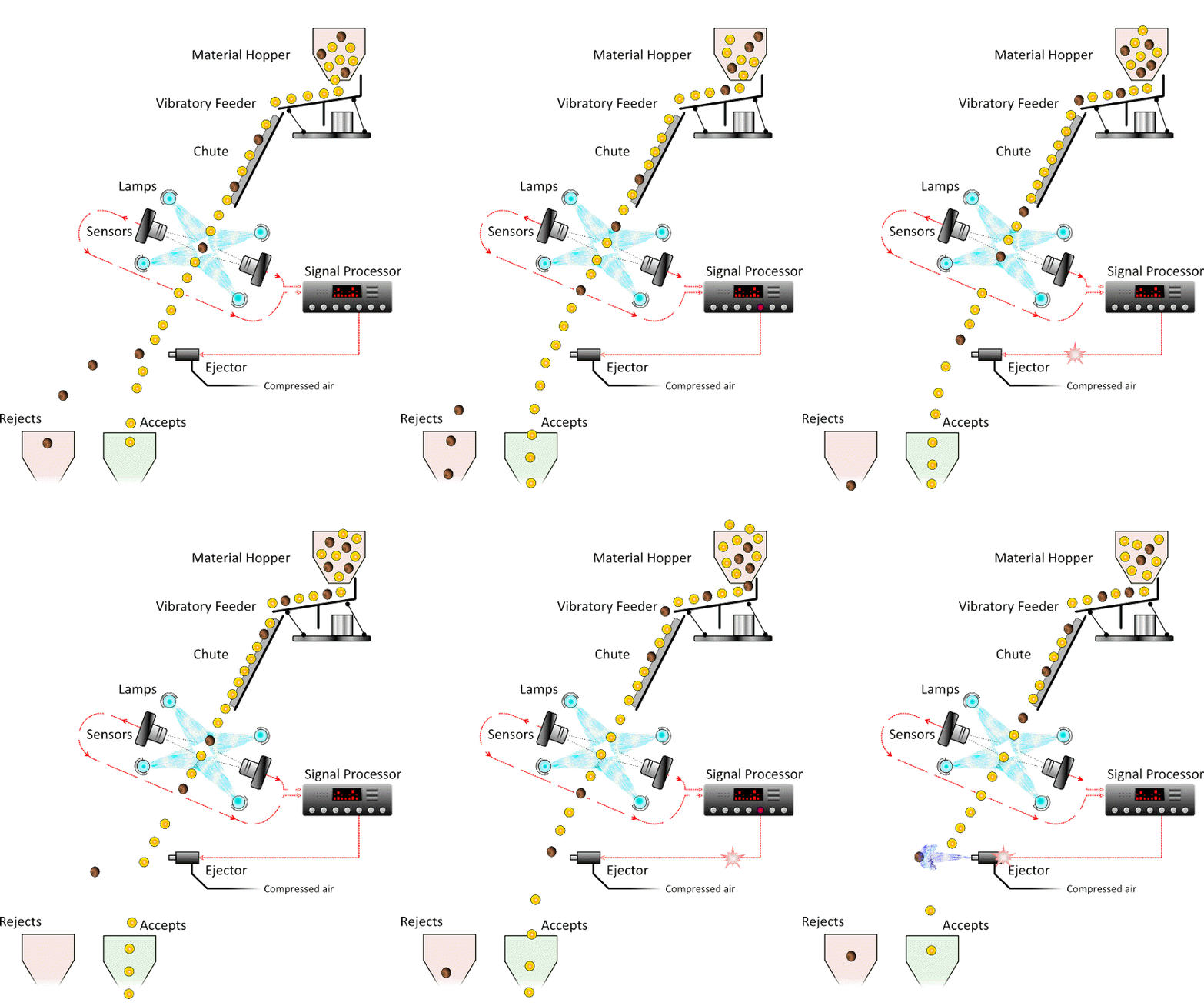
Core Features and Advantages
Multi-Spectral Vision
Captures color, shape, and texture simultaneously with up to 99.9% accuracy.
High-Volume Processing
Processes 500-5000 kg/h with consistent quality output.
AI Self-Learning
Machine learning algorithms continuously improve sorting performance.
Multi-Channel Sorting
Simultaneous inspection of color, size, and shape for enhanced precision.
Fava bean sorting machines deliver exceptional value through their combination of speed and precision. The optical inspection system captures over 3,000 frames per second, analyzing each bean for color uniformity, size consistency, and surface integrity. Advanced color algorithms detect even the most subtle variations in the bean surface, identifying defects such as mold, insect damage, improper drying, and foreign materials. The integration of AI-driven quality control allows real-time adjustments, ensuring consistent output with minimal waste.
Beyond basic sorting, these machines excel at removing a wide range of contaminants including stones, soil clods, damaged beans, and discolored specimens. Optional NIR (near-infrared) sensors extend detection capabilities to internal quality parameters such as moisture content and hidden internal damage. This comprehensive inspection ensures only premium-grade fava beans reach packaging or further processing. The hygienic design minimizes contamination risks during processing. Beyond fava beans, these machines can be adapted for sorting other pulses like lentils, chickpeas, and peas, making them a versatile investment.
Technical Specifications
Standard fava bean sorting machines are engineered for continuous industrial operation with processing capacities ranging from 500 to 5000 kg per hour. They maintain sorting accuracies up to 99.9% for color and quality defects, with optical resolutions down to 0.05mm per pixel. The pneumatic ejection system operates at 6-8 bar pressure with response times under 25 milliseconds, ensuring precise separation of defective particles.
All food-contact surfaces are constructed from food-grade stainless steel components to ensure longevity and compliance with sanitation standards. Machines feature IP65-rated enclosures for dust and moisture protection. Energy-efficient designs minimize power consumption, and some models include self-cleaning mechanisms to reduce downtime. Connectivity features such as IoT-enabled monitoring allow remote diagnostics and performance tracking, streamlining maintenance and operational oversight. Multi-channel sorting capabilities enable simultaneous inspection of color, size, and shape for enhanced precision.
Applications
Fava bean sorting machines are indispensable across the legume processing value chain. In primary processing facilities, they remove field contaminants and substandard beans before storage or further processing. Export-oriented operations rely on these machines to meet stringent international quality requirements. Food manufacturers use them to ensure consistent raw material quality for soups, stews, canned goods, and traditional Mediterranean and Middle Eastern dishes.
Beyond commercial processing, these machines support organic farming operations where chemical intervention is not permitted. Seed producers depend on them to select premium planting material with optimal germination characteristics. Research institutions utilize them for breeding program evaluation and quality assessment studies. Their ability to detect minute defects makes them valuable for seed producers aiming to enhance germination rates and crop yields. The technology also translates effectively to other large legumes such as chickpeas, lentils, and beans with minimal reconfiguration.
🛒 Purchasing Guide
When selecting a fava bean sorting machine, consider your production volume and the specific quality requirements of your products. For small-scale operations, a compact model with basic sorting capabilities may suffice. Large processing plants should look for high-capacity machines with advanced features like multiple sorting channels and cloud-based data analytics. Opt for models with upgradable software to future-proof your investment.
Budget constraints should be weighed against long-term benefits, such as labor savings and reduced waste. Demo trials are highly recommended to assess performance with your specific bean varieties. Look for certifications like CE or FDA approval to ensure compliance with industry regulations in your target markets. Choose suppliers who offer comprehensive after-sales support, including training, spare parts, and maintenance services.
🔧 Maintenance Guide
Regular maintenance is crucial to sustain the machine's efficiency. Daily checks should include inspecting air jets for clogs, cleaning optical lenses with approved solutions to prevent dust accumulation, and verifying conveyor belt alignment. Weekly inspections should include checking hose connections and verifying ejection nozzle performance.
Periodic lubrication of moving parts and calibration of sensors will prevent performance degradation over time. For software-driven components, keeping firmware updated ensures access to the latest sorting algorithms. Establish a log to track maintenance activities and component replacements. Partnering with the manufacturer for annual servicing can extend the machine's lifespan and maintain warranty validity. Professional servicing should include optical system recalibration, comprehensive pneumatic system inspection, and software updates.