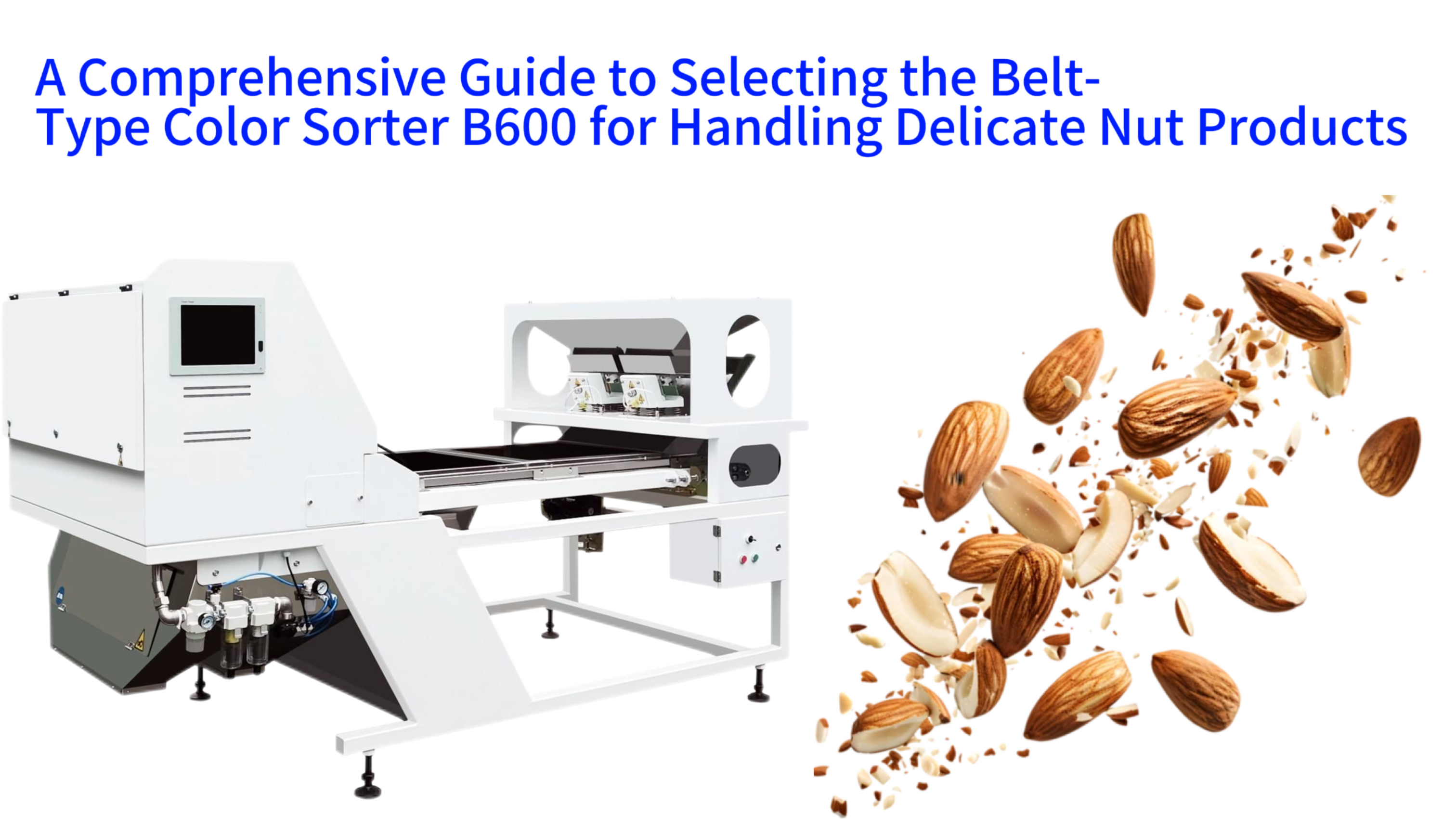
Choosing the right industrial sorting equipment is critical when processing fragile commodities like almonds, walnuts, pecans, and macadamias. A single misstep can lead to significant product damage, reducing yield and profitability. This guide focuses exclusively on the Belt-Type Color Sorter B600, examining why its gentle handling and precise technology make it the superior choice for preserving the integrity of delicate nuts. We will explore the fundamental reasons nut kernels are susceptible to damage, delve into the specific design features of the B600 model that mitigate these risks, and provide a detailed framework for evaluating its capabilities against your production needs. Furthermore, we will discuss operational best practices and the importance of professional support to ensure you maximize your investment while maintaining the highest product quality standards from reception to packaging.
Understanding the Fragility Challenge in Nut Processing
Nut Processing Fragility Key Metrics & Conveyance Comparison
| Metric | Value/Detail | Impact |
|---|---|---|
| Breakage Reduction Target | 1-2% per hour | Substantial annual cost savings |
| Sorting Accuracy (B600) | > 99.9% | Minimize erroneous good product ejection |
| Primary Damage Causes | Impact, abrasion, uncontrolled vibration | Downgrade from premium to low-value category |
Chute-Type Conveyance
Relies on gravity & vibration
High-speed sliding/bouncing
Inter-kernel & wall collisions
High damage risk for delicate nuts
Belt-Type Conveyance (B600)
Flat, steady conveyor belt
Low-friction, smooth transport
Minimized inter-kernel contact
Gentle handling (core defense against damage)
The journey of a nut kernel from shell to package is fraught with potential hazards that can cause chipping, cracking, or complete breakage. These imperfections not only diminish the visual appeal and perceived quality for consumers but also directly impact the market value, as whole kernels command a significantly higher price than broken pieces. The primary causes of damage include excessive impact forces, abrasive surfaces, and uncontrolled vibrations during handling and sorting. Traditional sorting methods or machines designed for harder commodities often fail to account for this delicate nature, leading to unacceptable loss rates. Therefore, the initial and most crucial step in selection is recognizing that not all sorters are created equal; the machinery must be engineered from the ground up with gentleness as a core design principle, not an afterthought.
The Economic Impact of Kernel Breakage
Breakage translates directly to financial loss. A high percentage of broken kernels can downgrade an entire batch from a premium "whole" category to a lower-value "pieces" or "meal" category, drastically affecting revenue. For processors handling several tons per hour, even a reduction of 1-2% in breakage can result in substantial annual savings and improved profit margins. The Belt-Type Color Sorter B600 is designed to address this exact economic concern by minimizing mechanical stress throughout the sorting process. Its operational philosophy prioritizes product integrity, ensuring that the valuable whole kernels are preserved while only the defective ones are removed, thereby protecting your bottom line and brand reputation for quality.
Key Physical Stress Points in Sorting
Identifying where damage typically occurs is essential for selecting a machine that solves these problems. Common stress points include the initial feeding system where a deluge of product can cause collisions, the inspection area where kernels might be violently stabilized for imaging, and the ejection process where high-force air blasts or mechanical paddles are used. The B600 model incorporates specific design countermeasures at each of these stages. Unlike systems that rely on gravity and impact, its core innovation lies in a controlled, low-friction conveyance system that presents each nut gently and individually to the inspection sensors, fundamentally altering the damage risk profile.
Why Belt-Type Systems Are Inherently Gentler
The fundamental advantage of a belt-type sorter over a chute-type system for fragile items is the nature of product transport. Chute systems rely on gravity and vibration, causing kernels to slide, bounce, and collide with each other and the chute walls at high speed. In contrast, the B600 utilizes a flat, steady conveyor belt. This belt carries the nuts smoothly and calmly into the detection zone, preventing turbulent free-fall and minimizing inter-kernel contact. This gentle transport is the first and most critical line of defense against physical damage, making the belt-type platform non-negotiable for high-value, fragile nut applications.
Material Flow and Presentation Consistency
Consistent and singular product presentation is vital for accurate sorting. When nuts are jumbled or overlapping, the camera system cannot get a clear view, leading to missed defects or the erroneous ejection of good product. The feeding system on the B600 is engineered to create a uniform monolayer of product on the belt. Advanced smart material feeding technology ensures kernels are evenly distributed and spaced out before they reach the inspection area. This careful preparation not only improves sorting accuracy, often exceeding 99.9%, but also ensures that each kernel is stable and isolated, reducing the chance of contact-induced chips or cracks during the critical inspection phase.
Core Features of the B600 that Minimize Damage
The Belt-Type Color Sorter B600 is not a generic machine adapted for nuts; its architecture incorporates specific features tailored to delicate product handling. Every component, from the feed hopper to the ejection manifold, is selected and calibrated to apply the minimum necessary force to achieve the sorting objective. This section breaks down the technological elements that work in concert to protect your product. The synergy between a vibration-dampened frame, a precision-controlled belt drive, and a softly cushioned product pathway distinguishes the B600 in a market where throughput often takes precedence over care. We will examine how these features collectively create a safe sorting environment.
The Low-Impact Conveyor Belt Design
At the heart of the B600 is its custom-designed conveyor belt. This belt is made from a food-grade, low-friction material that allows kernels to rest without sticking or rolling. The belt's tracking and tension are meticulously calibrated to ensure perfectly smooth movement without sudden jerks or shifts that could topple products. The drive mechanism employs precision motors that eliminate vibration transfer to the belt surface. This results in a glide-like transport where the nut's position and orientation remain stable from entry to exit, eliminating a major source of in-process damage common in less refined systems. For processors of particularly sensitive nuts like macadamias or large walnuts, this gentle conveyance is the definitive feature.
Advanced Stabilization in the Detection Chamber
Once on the belt, the nuts must pass through the detection chamber for imaging. In many sorters, this area can involve guides or channels that forcefully align the product, potentially causing scuffs. The B600 utilizes an optimized chamber design with minimal physical contact points. Instead of forceful guiding, it relies on the inherent stability provided by the flat belt and carefully engineered air flow to keep products in lane. This "contact-light" approach ensures that even the most delicate skins, such as those on blanched almonds or peeled pistachios, are not scratched or marred during the inspection process, preserving both their aesthetic and quality.
Precision Air Ejection with Adjustable Force
The act of removing a defective kernel is a critical moment. A blast of air that is too weak will miss the target, while one that is too strong can damage the ejected kernel or disturb its neighbors. The B600 is equipped with a high-resolution advanced detection system that pinpoints defects with extreme accuracy. This information is sent to an array of super-high-speed matrix ejectors. The key feature here is the ability to precisely calibrate the air pressure and duration of each blast. For fragile nuts, the air pressure can be tuned to the minimum effective level, just enough to deflect the bad kernel off the belt without creating a disruptive air jet that could shake or displace adjacent good kernels, thus maintaining a clean and damage-free product stream.
Vibration Dampening and Structural Integrity
Industrial environments are noisy and can transmit vibrations from other machinery through the floor. The B600 is built with a robust, heavy-duty frame that provides inherent stability. Furthermore, critical components are mounted using vibration-dampening materials and isolators. This ensures that external shocks or harmonics from nearby equipment do not translate into micro-vibrations on the sorting belt or optical platform. A stable machine is a precise machine. This structural integrity guarantees that the high-resolution cameras and sensitive ejectors perform consistently, maintaining accuracy and gentle handling even in busy production facilities, day after day.
Optical and Sorting Capabilities for Nut Defect Identification
Gentle handling must be paired with exceptional sorting intelligence to be effective. The B600 excels at identifying the subtle defects that affect nut quality. It goes beyond simple color sorting to detect a range of imperfections that human sorters might miss due to fatigue or speed. The system's powerful optical engine and processing software are configured to recognize the specific defect profiles common in nuts, such as mold discoloration, insect damage, rancid spots, shell fragments, and skin imperfections. This section explains how the machine "sees" and makes decisions, ensuring that only the truly defective kernels are removed, maximizing the yield of high-quality, whole nuts.
High-Resolution CCD Camera Technology
The clarity of the inspection image is paramount. The B600 employs multiple high-resolution CCD cameras, each equipped with TOSHIBA micron-sized superior HD RGB sensors. These cameras capture incredibly detailed images of every kernel from multiple angles as they pass on the belt. With a resolution of 5400 pixels per scan line, the system can detect color variations and surface flaws as small as a fraction of a millimeter. This level of detail is crucial for identifying early-stage mold, subtle staining, or minute cracks that could lead to breakage later or indicate internal quality issues, ensuring your final product is free from visual and latent defects.
LED RGB Three-Primary Color Lighting Systems
Consistent, high-quality lighting is the unsung hero of accurate optical sorting. The B600 uses specialized LED RGB three-primary color model lighting systems. These lights provide bright, uniform, and shadow-free illumination across the entire belt width. The use of RGB (Red, Green, Blue) LEDs allows the system to illuminate products with specific wavelengths, enhancing the contrast between good product and defects. For example, a faint brown mold patch on a walnut kernel can be made vividly apparent under specific lighting conditions. This consistent lighting environment, immune to changes in ambient factory light, ensures the sorting criteria remain stable and reliable 24/7, a cornerstone of consistent quality output.
Beyond Color: Shape, Size, and Texture Analysis
Modern sorting is multi-dimensional. The B600's software can be configured to evaluate not just color, but also shape, size, and texture. This is invaluable for nut processing. The system can be trained to reject kernels that are broken (identifying irregular shapes), detect and remove fragments that are too small, or identify surface scabs and wrinkles that indicate poor quality. This multi-parameter sorting capability means you can perform grading and defect removal in a single pass, streamlining your production line. For instance, you can sort for both color defects and specific kernel length simultaneously, directly outputting a graded, premium product ready for packaging.
AI-Powered Learning for Complex Defects
For the most challenging sorting tasks, such as identifying internal defects hinted at by subtle external cues, the principles behind belt type AI sorting machine technology are relevant. While the standard B600 uses preset parameters, its advanced AI-ready platform can incorporate machine learning algorithms. These systems can learn from examples, improving their ability to distinguish between acceptable natural variations and true defects over time. This adaptive intelligence is particularly useful for organic products where defect appearance can change with season or source, future-proofing your investment and pushing sorting accuracy to its theoretical limits.
Evaluating Capacity and Integration into Your Production Line
Selecting a sorter involves matching its capabilities with your factory's flow and output goals. The B600 offers a capacity range, typically between 2 to 5 tons per hour, suitable for small to medium-scale nut processing lines. Successful integration is about more than just throughput numbers; it requires considering the machine's physical footprint, power requirements, and how it connects with upstream and downstream equipment like dehullers, dryers, and packaging machines. This section provides a practical framework for assessing whether the B600 is the right fit for your facility's current and future needs, ensuring a smooth implementation that enhances overall line efficiency without becoming a bottleneck.
Matching Sorter Throughput to Upstream Supply
A common mistake is installing a sorter with a maximum capacity far exceeding what the upstream equipment can provide, leading to inefficient operation at partial load. Conversely, a machine that is too small creates a bottleneck. It is essential to analyze the output of your cleaning, cracking, and drying stages to determine the average and peak feed rates to the sorter. The B600's variable speed drive and feed system allow it to be tuned to match this incoming flow optimally. Efficient operation often occurs at a consistent, high-utilization rate rather than at burst speeds, which helps maintain sorting accuracy and gentle handling, as the machine operates in its designed performance envelope.
Footprint, Utility, and Facility Requirements
The physical dimensions of the B600 (approximately 2750mm long, 1280mm wide, 1530mm high) and its weight (800kg) must be accommodated. You need to ensure there is adequate space for installation, operation, and routine maintenance access. Utility connections are equally important: the machine requires a stable power supply (2.5 KW), clean, dry compressed air for the ejectors, and potentially dust extraction points. Planning for these requirements during the selection phase prevents costly delays or modifications during installation. A well-planned location that considers operator workflow and material logistics will contribute significantly to the long-term success and ease of use of the equipment.
Compatibility with Upstream and Downstream Equipment
The B600 must be a seamless link in your production chain. Consider how nuts will be delivered to its feed hopper—via bucket elevator, vibratory feeder, or another conveyor. The transfer points should be designed to minimize drop height to prevent pre-sorting damage. Similarly, the output streams (accepted and rejected product) must be efficiently conveyed to their next destination, such as bulk bags, grading bins, or further processing stages. The machine's control system can often be integrated with wider line controls for synchronized operation. Ensuring these interfaces are planned guarantees a cohesive, automated line that maximizes productivity from raw material to finished goods. For specialized needs, exploring a macadamia sorting machine configuration might offer tailored solutions.
Scalability and Future-Proofing Considerations
Your business may grow, or you may start processing different types of nuts. Choosing a sorter with some capacity headroom is wise, but also consider modularity and upgrade paths. The B600 platform is designed with serviceability and adaptability in mind. Discuss with your supplier the possibility of future upgrades, such as adding more camera channels or updating software for new defect libraries. Selecting a machine from a provider with a long track record, like MSW Technology with its 15 years of experience in refining sorting solutions, ensures you have access to ongoing technical support, spare parts, and upgrade options, protecting your capital investment for years to come.
Operational Practices for Optimal Performance and Longevity
Once installed, the performance and lifespan of your B600 sorter depend significantly on daily operational practices and preventative maintenance. Proper operation ensures consistent sorting quality and gentle handling, while diligent maintenance prevents unexpected downtime and preserves the machine's precision. This section outlines the key routines and checks that operators and maintenance personnel should follow. These practices are distilled from field experience and are essential for keeping the machine running at its advertised 99.99% accuracy while continuously protecting your delicate nut product from any machine-induced damage.
Daily Startup, Calibration, and Shutdown Procedures
Consistent routines are the foundation of reliable operation. A daily startup checklist should include inspecting the belt for wear or debris, checking air pressure and ensuring filters are dry, cleaning the camera lenses and glass protectors with appropriate materials, and verifying the lighting intensity. Many modern sorters, including the B600, feature automated calibration routines using a sample product. Running this calibration daily ensures the optical system and ejection timing are perfectly synchronized for the current product batch. Similarly, a proper shutdown involves running the machine empty to clear the product path and may include purging the air lines to remove moisture, preparing the machine for a trouble-free start the next day.
Routine Cleaning and Wear Part Inspection
Nut processing generates dust and fine particles that can interfere with sorting. The optical chamber, specifically the background plates and light reflectors, must be kept impeccably clean. Dust on these surfaces changes the lighting dynamics and can cause false rejects. The belt should be regularly cleaned according to the manufacturer's guidelines to maintain its anti-stick properties. Wear parts like the ejection nozzles, belt scrapers, and bearings need scheduled inspection. A worn nozzle can create an erratic air jet, potentially disturbing good product. Proactive replacement of wear parts, based on hours of operation rather than failure, is a best practice that prevents unplanned stops and maintains the gentle, precise operation the B600 is known for.
Monitoring Sorting Performance and Data Logging
Active monitoring goes beyond watching the machine run. The B600's intuitive HITACHI touchscreen interface provides real-time data on throughput, reject rates, and ejection counts. Operators should be trained to monitor these metrics. A sudden spike in the reject rate could indicate a change in incoming product quality, a calibration drift, or a blocked ejector. Conversely, a drop in the reject rate might signal a camera occlusion or lighting issue. Using the machine's data logging features to track performance over time helps identify trends, optimize settings for specific nut varieties like pecan sorting machine profiles, and provide valuable quality assurance records for your production batches.
Handling Product Changeovers and Parameter Management
Processors often handle multiple nut types. Each product—almonds, cashews, hazelnuts—has unique size, color, and defect characteristics. The B600 allows operators to save and load different parameter sets. A disciplined changeover process is vital. This includes physically cleaning the machine to prevent cross-contamination, installing the correct saved parameter file, and running a test batch with the new product to verify sorting accuracy before full production resumes. Properly managed changeovers ensure that the gentle handling and high accuracy are maintained for every product type, maximizing flexibility and return on investment from the single machine.
The Critical Role of Professional Support and Experience
The final, and often most overlooked, factor in successfully choosing and operating a Belt-Type Color Sorter is the quality of the supplier. The most advanced machine can underperform without proper installation, training, and ongoing support. This is where the experience and commitment of the provider become paramount. A supplier with deep application knowledge can help you configure the machine optimally from the start, train your team effectively, and provide swift support when needed. This section emphasizes why partnering with an established expert is not just a service purchase but an extension of your quality assurance system.
Importance of Pre-Purchase Material Testing
Reputable suppliers offer material testing services using your specific nut samples. This is a non-negotiable step. Sending samples of your good product and typical defects to the supplier allows their engineers to run tests on the actual B600 or an identical platform. This test will generate a performance report showing the achievable accuracy, throughput, and estimated good product yield for your material. It provides concrete, data-driven evidence of the machine's suitability before you commit. Companies with extensive experience, such as MSW Technology, leverage their 15 years of application knowledge during these tests to recommend optimal settings and even identify potential upstream process improvements you could make.
Comprehensive Installation and Operator Training
A professional installation by factory-trained technicians ensures the machine is leveled, aligned, and connected correctly. This foundational step is critical for achieving the designed mechanical gentleness and optical precision. Following installation, thorough training for your operators and maintenance staff is essential. Training should cover not just basic operation but also the principles of gentle handling, how to interpret performance data, routine maintenance tasks, and basic troubleshooting. Well-trained personnel feel confident operating the equipment, can spot early signs of issues, and are empowered to keep it running at peak efficiency, directly protecting your product and productivity.
Access to Reliable Technical Support and Spare Parts
Even the best-maintained equipment may eventually need support. The availability of responsive, knowledgeable technical support is crucial to minimize downtime. Can you get help remotely via phone or online diagnostics? How quickly can a technician arrive on-site if needed? Furthermore, a robust supply chain for genuine spare parts—from specialized belts and ejector valves to camera sensors and touchscreen modules—ensures repairs are completed correctly and durably. Choosing a supplier with a strong global support network and a commitment to long-term partnership, a philosophy MSW Technology has built over a decade and a half, provides peace of mind and protects your production continuity for the entire lifecycle of the machine.
Leveraging Supplier Expertise for Process Optimization
A true partner does more than sell and service a machine; they help you optimize your entire sorting process. An experienced supplier can advise on ideal upstream preparation to make sorting more effective, suggest workflow improvements, and help you analyze sorting data to uncover insights about your raw material quality. They can also inform you about technological advancements, such as the latest developments in high speed ejection or new software features that could benefit your operation. This collaborative relationship, built on shared expertise, ensures your color sorter investment continues to deliver maximum value, adapting as your business and the technology evolve.